

Key Takeaways:
-
Weakening bladder muscles can cause older dogs to start urinating in the house.
-
Dogs experience anxiety and shame just like people. Creating a comfortable and clean environment for your furry friend will help manage accidents and reduce their stress.
-
Simple adjustments to diet and routine, along with appropriate natural supplements or prescription medications, can greatly improve your dog’s quality of life.
Talk to your veterinarian to rule out any medical or emotional conditions. And get their professional guidance on managing your older dog’s incontinence.
-
You may want to invest in a waterproof mattress protector for bedwetting to protect your bedding from urine leaks. Plus, they make cleanup fast-and-easy when your senior pet has an accident.
Why Your Senior Dog May Be Having Accidents
How a Dog’s Age Impacts Bladder Control
There are three major reasons your dog could experience more accidents as they age:
-
Bladder muscles may weaken, leading to less control over urination.
-
Decreased mobility can make it difficult for dogs to reach an appropriate place to urinate in time.
-
Age-related diseases, such as kidney disease or diabetes, can increase the frequency of urination.
Remember that your dog doesn’t do this on purpose. It’s a health concern that they cannot control, and they need your understanding and support.
Common Health Issues that Could Contribute to Incontinence
There are several health issues can lead to incontinence in older dogs:
-
Urinary tract infections (UTIs) which can cause frequent urination and discomfort.
-
Hormonal imbalances, particularly in spayed females, which can affect bladder control.
-
Prostate disorders in males, which can lead to difficulties with urination.
-
Neurological problems that may interfere with signals to the bladder.
-
Chronic diseases such as diabetes or kidney disease that affect overall health and bladder function.
Visit your veterinarian when you start to notice any changes in your dog’s urination habits. Early diagnosis and treatment can make all the difference when you’re managing incontinence.
Major Stressful Changes Can Impact Your Older Dogs Behavior, Including Their House Training
It’s not just physical changes that can affect your older dog’s bladder control. Emotional stress can also play a role. Changes in the household, such as a new pet or a family member moving out, can create anxiety that leads to accidents. Keeping a consistent routine and providing extra comfort can help minimize stress-induced incontinence.
Wet Proof Your Home
Take a look at your home environment and try to make it as accommodating as possible. When your dog feels more comfortable and less stressed, it’s easier for them to manage they potty habits.
Identify the areas where your dog spends most of their time and protect those spots with waterproof protectors or doggie pads. Make sure these are easy to clean, as you’ll want to promptly remove any mess to prevent odors and stains. Also, ensure that your dog has easy access to the outside or to a designated indoor area where they can relieve themselves.
Diet and Exercise
A balanced diet and regular exercise can help manage your older dog’s incontinence. Overweight dogs are more prone to incontinence due to the extra pressure on the bladder. Therefore, keeping your dog at a healthy weight is crucial. Consult with your vet about a diet plan that’s right for your senior dog.
Exercise is just as important. Regular walks can strengthen your dog’s bladder and bowel muscles. Plus, it’s a good opportunity for them to relieve themselves outside, reducing the likelihood of accidents indoors.
Remember to adjust exercise routines to suit your dog’s aging body. Shorter, more frequent walks may be more beneficial than long, strenuous ones.
Natural Supplements for Bladder Health
There are natural supplements, like cranberry pills for dogs, that can support bladder health in older dogs. Other ingredients like pumpkin seed powder, Rehmannia glutinosa root, and soy protein extract have been used to promote healthy bladder function. Consult with your vet before adding supplements to your dog’s diet. They can recommend the right dosage for your dog’s size, weight and age. Explain any side effects and the best process for incorporating a new supplement into your dog’s routine.
House Training Refresher
Sometimes, older dogs can benefit from a house-training refresher course. This doesn’t mean they’ve forgotten their training. It’s just a way to help them remember where and when to go. Establish a consistent routine for taking your dog outside, especially after meals and before bedtime. Use cues and rewards to reinforce good behavior, just as you did when they were younger.
Positive Reinforcement
Remember that’s your dog’s emotions are similar to your own. Give them lots of positive reinforcement. Please don’t punish or scold when they have an accident. Those types of negative reactions trigger more stress and anxiety, which can exacerbate the problem.
Waterproof Mattress Protectors for Bedwetting Pets
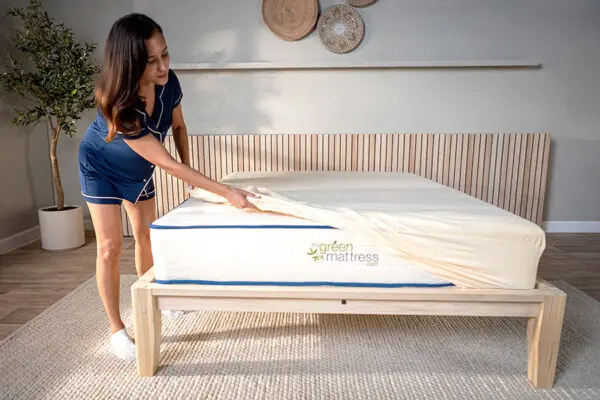
Consider a waterproof mattress protector for bedwetting pets. It will protect your furniture and mattress from urine leaks, which can lead to bacteria and mold overgrowth. And protective covers make cleanup fast-and-easy when there’s an accident.
One of our favorites is MY GREEN MATTRESS. They just won the Good Housekeeping Top Choice 2024 Award for Best Organic Waterproof Mattress Protector for Bedwetting. It’s completely waterproof with a breathable, cooling moisture barrier that’s non-toxic. The temperature regulating feature keeps you and your furry friend comfortable all night long. The protector is constructed from 2 layers of soft GOTS certified organic fiber, which is naturally hypoallergenic and repels dust mites along with other allergens.
MY GREEN MATTRESS has an incredible 4.9 rating out of a potential 5 stars from more than 600 verified customers.

Frequently Asked Questions (FAQ)
1. When is a dog considered older or senior and more prone to accidents?
Generally, a dog enters their senior years when they reach about two-thirds of their expected lifespan. For most breeds, this translates to around 7 years old. However, larger breeds tend to age faster and may be considered senior by 5 or 6 years old.
Age alone isn’t always the cause of incontinence. If your younger dog is experiencing frequent accidents, it’s worth a trip to the vet to rule out other health issues.
2. Can dietary changes help with my older dog’s incontinence?
Yes, dietary changes can be beneficial for managing your older dog’s incontinence. Feed your dog a balanced diet rich in fiber. This can help by absorbing excess water in the digestive system, which may reduce the frequency of urination. Dog food that’s formulated for senior dogs often contains fewer calories to prevent weight gain and includes supplements to support urinary health. It’s important to consult with your vet to find the best diet for your dog’s specific needs and health status.
3. What are some common behavioral signs that may be an early indication of incontinence issues?
Dogs are very clean animals by nature, so if they start having accidents in the house, this may be an early sign of incontinence issue. Some additional signals include:
-
Licking their genital area excessively, which could be an attempt to clean themselves or could indicate discomfort.
-
Restlessness or pacing, which may be a sign that they’re uncomfortable or trying to communicate their need to go outside.
-
Changes in sleep patterns, as they might wake up due to the urge to urinate.
4. Are certain breeds more prone to develop incontinence as they age?
While incontinence can affect any dog, certain breeds and larger dogs are more prone to developing this condition. Spayed female dogs also have a higher risk due to changes in hormone levels affecting the muscles that control the bladder. Breeds with a predisposition to diabetes or kidney issues may also be at increased risk for incontinence as these conditions can affect bladder control.
5. Are there natural treatments and supplements for senior dogs?
Natural supplements can be just as effective as prescription medications without the severe side effects. These are the top ingredients for bladder and kidney health:
-
Cranberry pills for dogs, which stop bacteria like e coli from adhering to the walls of their urinary tract.
-
Pumpkin seed powder, which can help to strengthen bladder muscles.
-
Corn silk and saw palmetto, which can be used to support healthy bladder function.
-
Rehmannia glutinosa root, a traditional Chinese herb known for its supportive role in kidney and bladder health.
-
Omega-3 fatty acids, which can reduce inflammation and support overall health.