
Key Takeaways:
- Low estrogen levels that start during perimenopause can sometimes affect bladder control and cause bedwetting.
- Perimenopause incontinence is due to the fact that higher estrogen levels strengthen pelvic floor muscles and maintain a stable bladder lining.
- You can manage symptoms of low estrogen with dietary changes, weight loss, pelvic floor exercises, and hormone replacement therapy (HRT).
- Organic cotton sheets and waterproof mattress protectors for bedwetting can reduce night sweats and keep your mattress dry.
Perimenopause, Low Estrogen, and Bed Wetting
Perimenopause symptoms can include unexpected incontinence, also known as bed wetting or urine leakage. The culprit is often a decline in estrogen, a hormone that supports a healthy urinary tract. Today, we know far more about the root causes of menopause and perimenopause symptoms, and we have far better solutions.
Low Estrogen Levels Cause a Range of Symptoms
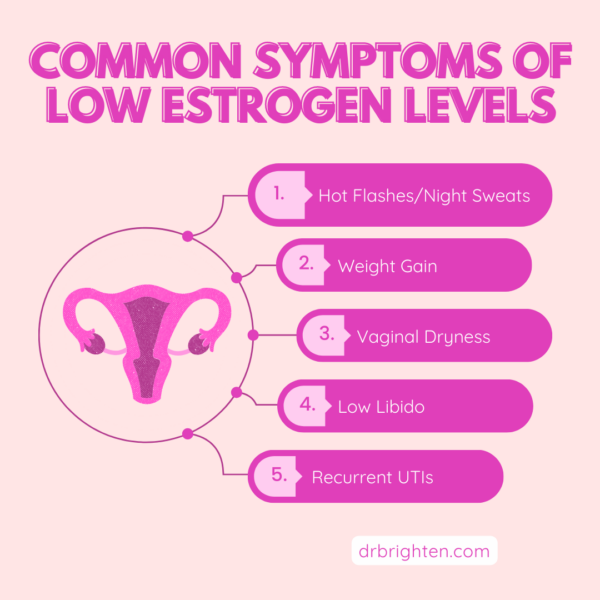
Menopause is a biological process. It’s not an event. Some women start seeing symptoms of perimenopause as early as their 40s. Symptoms that can include hot flashes, night sweats, weight gain, vaginal dryness, low libido, recurrent UTIs (urinary tract infections), mood swings, irregular periods, and thinning hair. In addition to these common symptoms, perimenopause can create a wider range of issues like sleep deprivation, achy joints, brain fog, and changes in urinary tract health that can sometimes lead to bed wetting.
How Low Estrogen Impacts Bladder Control & UTIs
Estrogen keeps the lining of the bladder and urethra healthy. So, when estrogen levels are normal these linings create a barrier that prevents urinary tract infections (UTIs) and help the bladder hold larger quantities of urine. In addition, estrogen strengthens pelvic floor muscles which are essential for controlling the release of urine.
As estrogen declines, the protective lining of the bladder becomes thinner and more susceptible to irritation. The tissues in the bladder and urethra become less elastic, and the pelvic floor muscles become weaker. These changes cause symptoms such as an increased frequency of urination, a feeling of urgency, and, for some, nighttime bed wetting. The weakening of the pelvic floor muscles further complicates matters, as they are less able to contract and support the bladder during moments of pressure, such as coughing, sneezing, or even laughing. Additionally, the risk of UTIs increases, as the body’s natural defenses in the urinary tract diminish.
Strategies to Manage Bed Wetting in Perimenopause
Bed wetting during perimenopause can be a distressing situation, but there are strategies to help you reduce the frequency and manage the symptoms.
Organic Waterproof Mattress Protector for Menopause
A waterproof mattress protector will block fluids from seeping into the mattress fibers. This protects your mattress from bacterial growth and urine smell. And it makes cleanup fast and easy. Some protectors are designed to reduce the impact of night sweats by wicking away moisture, keeping you cool, and letting you get a good night’s sleep.
One of our favorite waterproof mattress protectors for menopause is NATUREPEDIC. They just won the Good Housekeeping Top Choice 2024 Award for Best Organic Cotton Waterproof Mattress Protector. It’s 100% waterproof. And the cooling cotton fibers are great for hot sleepers or anyone suffering from night sweats. In addition, the organic certification means there were no pesticides in the growing process and no chemicals in the manufacturing process.
The NATUREPEDIC organic cotton mattress protector has earned an incredible 4.9-star rating from more than 930 verified customers.

Lifestyle Adjustments for Better Bladder Health
Small changes in daily habits can significantly impact bladder health. And most of these changes can also improve overall well-being during perimenopause.
Try some of these practical steps:
- Practice pelvic floor exercises, sometimes known as Kegel exercises, which can significantly reduce the frequency and severity of wetting accidents.
- Limit fluids before bedtime, especially beverages that are known to irritate the bladder like coffee, tea, and alcohol.
- Establish a regular urination schedule during the day to train your bladder. This can help extend the time between bathroom visits.
- Focus on a balanced diet rich in fiber to avoid constipation, which can put extra pressure on the bladder.
- Maintain a healthy weight, as excess weight can also put additional pressure on the bladder and contribute to incontinence.
When to Consider Medical Interventions
Lifestyle changes are the first line of defense. However, when they don’t work it’s time to reach out to your healthcare provider to explore other options. There’s no need to suffer in silence!
Some medical treatments to explore:
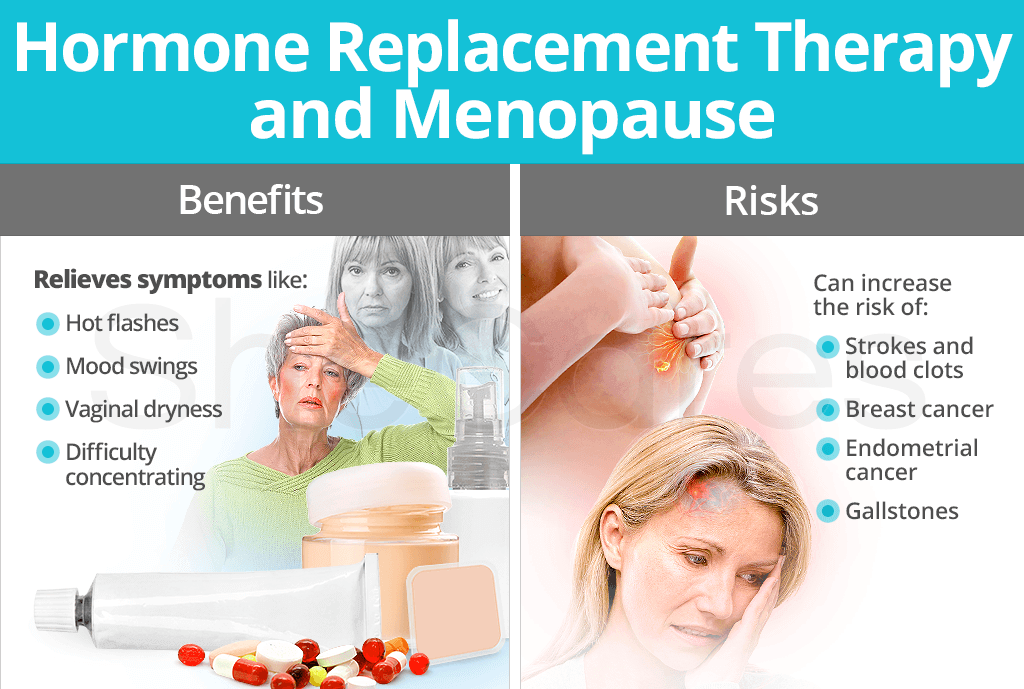
- Hormone replacement therapy (HRT) increases estrogen levels, which improves the health and strength of the bladder and pelvic floor muscles. There are synthetic estrogens and bioidentical options.
- Prescription medications that target overactive bladder (OAB) symptoms.
- Non-surgical devices, such as pessaries, can support the pelvic organs and help prevent urine leakage.
Remember that prescription medications and medical devices normally have side effects. You’ll want to have a thorough discussion with your physician about the pros-and-cons before you start any treatments.
Navigating Emotions While Coping with Symptoms
Perimenopause can be a challenging time emotionally as well as physically. It’s essential to prioritize your emotional health as you navigate this transition.

Build a Support System
Having a strong support system can make an enormous difference. Share your experiences with friends, family, or a support group. Sometimes, talking to other women about how they’re managing their physical and emotional symptoms can alleviate stress and provide comfort. Remember, you don’t have to be alone unless some quiet time is exactly what you need right now.
Stay Positive About the Changes
Adopting a positive mindset can help you manage the changes happening in your body. Embrace this new phase of life as an opportunity for growth and self-care. Focus on activities that bring you joy and relaxation, such as your family, your friends, yoga, meditation, mindfulness. Some women start a new hobby or launch a new business.
Frequently Asked Questions (FAQ)
1. Is bed wetting common during perimenopause?
While not as commonly discussed as other symptoms, bed wetting can occur during perimenopause due to changes in estrogen levels affecting bladder control. It’s important to note that if bed wetting is a new symptom for you, it’s wise to consult with your healthcare provider to rule out other potential causes.
2. Can hormone replacement therapy (HRT) help with bed wetting?
Yes, for some women, HRT can help manage symptoms of overactive bladder and bed wetting by restoring estrogen levels. However, HRT is not suitable for everyone, and it’s important to discuss the benefits and risks with your healthcare provider.
3. How does diet affect bed wetting during perimenopause?
A diet high in irritants like caffeine, alcohol, and spicy foods can exacerbate bladder symptoms. Conversely, a balanced diet that avoids these irritants and includes plenty of water, fiber, and nutrients can support bladder health and potentially reduce bed wetting. For those experiencing bed wetting, waterproof bedwetting mattress protectors can be a practical addition to managing symptoms.
4. Are there exercises that can improve bladder control?
Yes, pelvic floor exercises, also known as Kegel exercises, can strengthen the muscles responsible for bladder control. Consistent practice of these exercises can help reduce the frequency of bed wetting episodes.
5. When should you consult a doctor about perimenopausal bed wetting?
If bed wetting is affecting your quality of life, or if you have any concerns about new symptoms, it’s important to consult with your doctor. They can help determine if bed wetting is related to perimenopause or if there are other underlying causes that need to be addressed.