
Key Takeaways:
- Waterproof mattress protection comes in 3 main styles: mattress covers, mattress pads, and zippered encasements.
- The best choice depends on your unique needs: child’s bedwetting, adult incontinence, peri-menopause night sweats, or pet wetting accidents.
- Organic cotton is an outstanding choice for anyone with sensitive skin, allergies, asthma, or chemical sensitivities.
- Make sure the protector fits snugly on your mattress without shifting to prevent leaks.
- Check the care label to make sure it’s easy to clean without harming the fabric.
Mattress Protection: Mattress Cover, Pad, or Zippered Encasement
What’s the difference between a mattress cover, a mattress pad, and a zippered mattress encasement? And which one is right for you? Let’s review your waterproofing options one at a time to find out.
Mattress Protector Cover
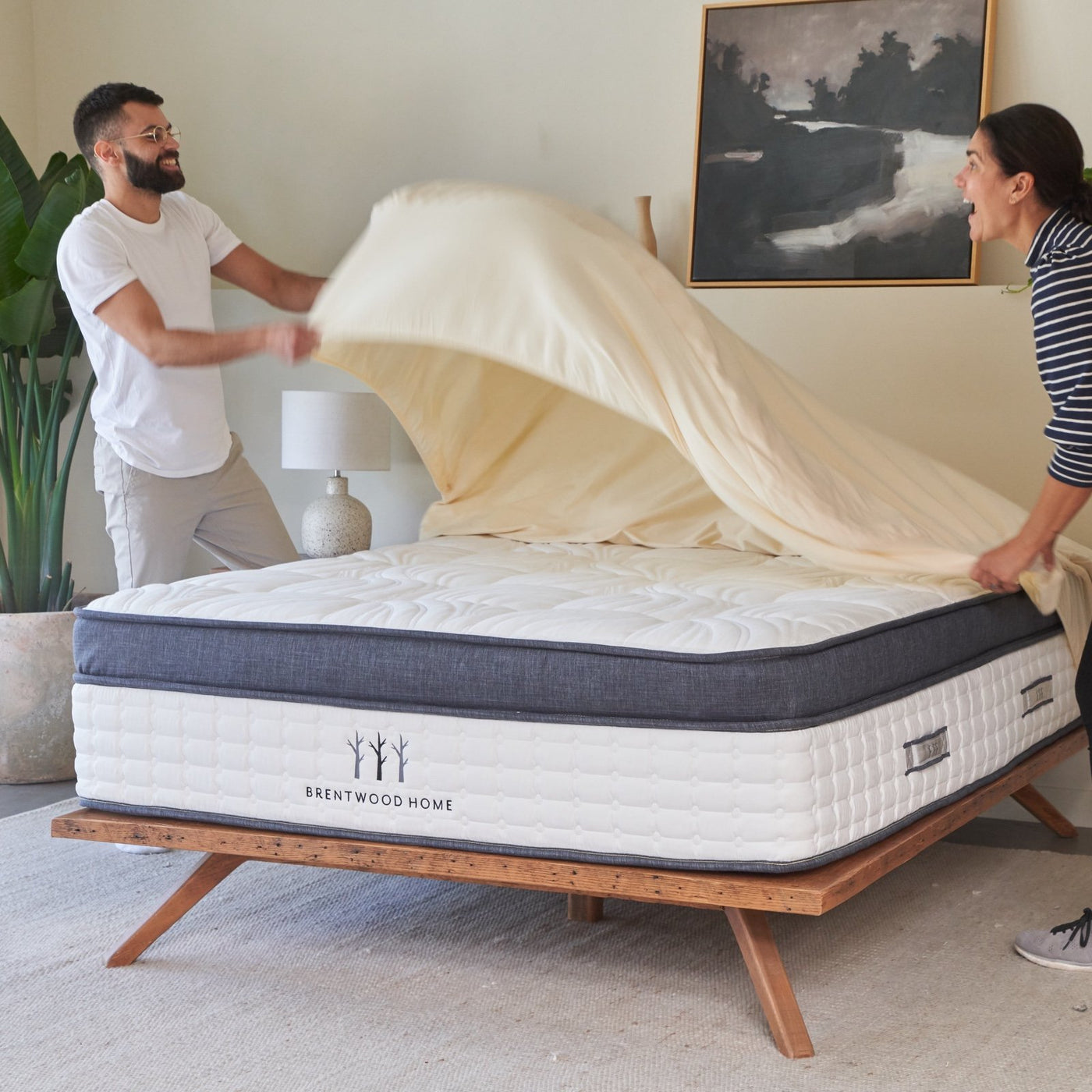
A mattress protector cover is like a fitted sheet that sits on top of the mattress to guard against liquids and stains. Then you put your fitted bottom sheet on top of the protective cover.
- Protective covers have a top layer made from a soft fabric like cotton terry, and a second layer that’s made from a waterproof material like plant-based thermoplastic polyurethane (TPU). It should be barely noticeable under your sheets.
- Old style protectors rely on plastics like vinyl for waterproofing, which can make them hot and uncomfortable.
- Newer styles use thin, bio-based, non-GMO, breathable materials that are comfortable and non-toxic.
- Most protectors are machine washable and dryable using warm settings, which makes them easy to remove and clean after an accident.
The Downside: They do not cover the bottom of the mattress. So, this might not be your best option when you need to control bedbugs.
Mattress Pad

Mattress pads are square or rectangular pieces that sit on top of the sheets. They are highly absorbent, but only cover a portion of the mattress. They don’t extend over the edge of the mattress like a protector or an encasement.
- Mattress pads protect your mattress from large quantities of urine.
- Reusable pads can be washed and put back on the bed over and over again.
- Disposable pads are used once and thrown away. Disposables are not as eco-friendly, but they’re a great choice for travel or sleepovers.
The Downside: They don’t cover the entire top of the mattress so there could be leaks when people or pets move around a lot while they’re sleeping.
Zippered Mattress Encasement

Zippered mattress encasements envelope all 6 sides of the mattress for complete coverage. A quality encasement has a micro-zipper with small, tight zipper teeth that bed bugs can’t crawl through.
- Zippered encasements offer complete coverage, protecting every side of the mattress.
- They seal off moisture, allergens, and even small insects.
- They are ideal for anyone dealing with bed bugs. Or anyone who needs to protect their mattress during moving and storage.
The Downside: They can be more cumbersome to remove and clean due to their full coverage, encasement structure.
The Right Choice for Your Needs
Choosing between a mattress protector cover, pad, or encasement comes down to your specific situation. There are 3 main areas to consider:
- Do you need complete waterproofing for incontinence, or do you just need wicking for night sweats?
- Does anyone in your family have sensitive skin or allergic reactions?
- Do you sleep hot and sweat at night?
1. Level of Protection
Water Resistant Protection: If you’re managing an older child’s occasional bedwetting, or peri-menopausal night sweats, then a mattress protector cover might suffice.
100% Waterproof Protection: If you’re coping with frequent or heavy incontinence, like after a surgery, then disposable mattress pads might be your best choice. You could also consider combining pads with covers. This strategy involves placing a mattress pad on top of a mattress protector cover for the ultimate in protection and clean-up convenience.
Bedbug or Storage Protection: If you need wetting protection from dust mites, insects, bed bugs, and other allergens, then a zippered encasement is probably your best bet.
2. Sensitive Skin, Allergies, Asthma, or Chemical Sensitivities
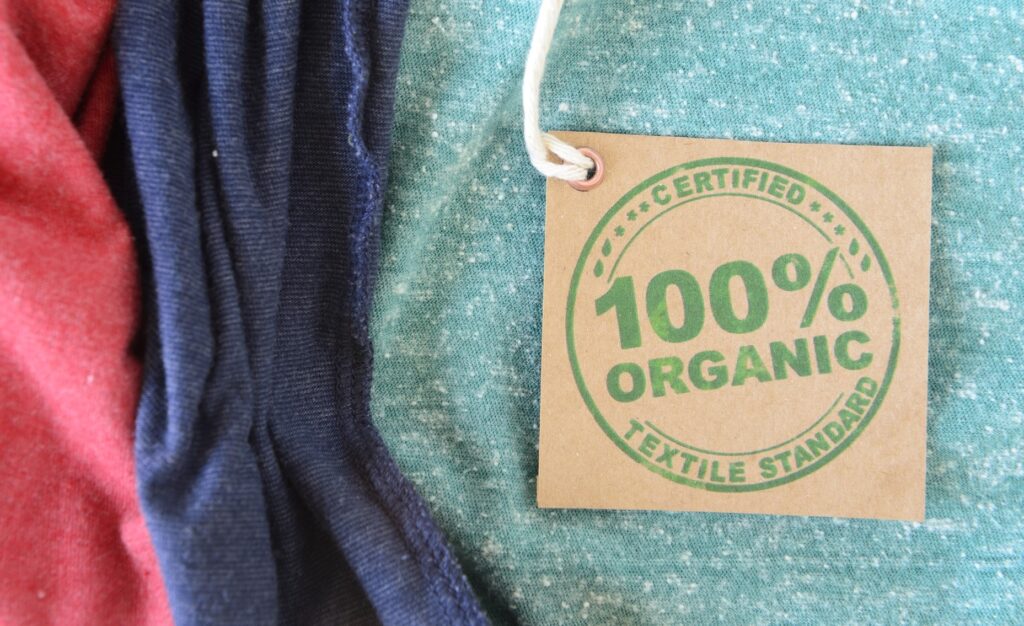
The materials used in your mattress protector can affect your skin and overall comfort, especially if you have sensitive skin or if you have allergies or asthma.
Here’s what to look for:
- Choose a protector made with organic, hypoallergenic fibers.
- Organic fabrics are breathable and less likely to cause irritation, because there are no toxic chemicals.
- Avoid protectors that use vinyl as their waterproofing material. It’s hot to sleep on and it can make a noisy, crinkling sound when you move while you’re sleeping.
3. Waterproofing and Breathability
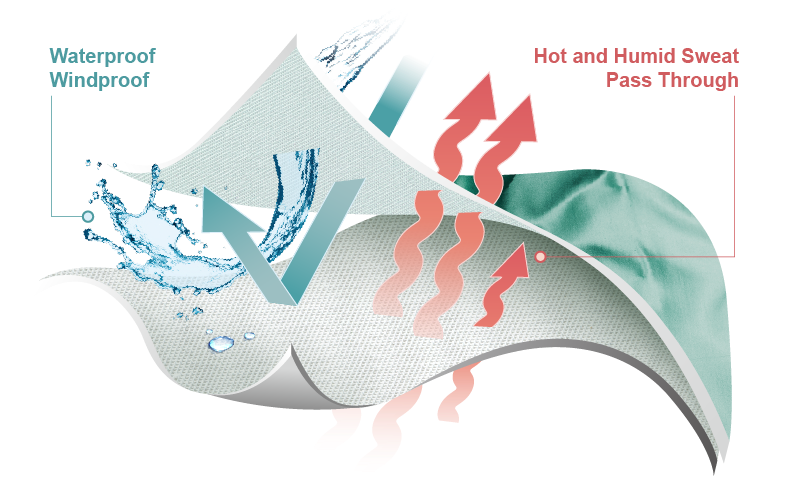
Your mattress protector needs to keep your mattress dry, while allowing air to circulate. Otherwise, you’ll get hot, sweaty, and uncomfortable. And you won’t get a restful sleep.
Consider these points:
- Look for waterproofing materials like PE (polyethylene) or TPU (thermoplastic polyurethane).
- PE and TPU may not sound like natural fibers, but these materials are pet-friendly, eco-friendly, plant-based, and non-GMO.
- Avoid materials that trap heat and moisture, as they can make for an uncomfortable sleep environment.
- Some protectors come with additional cooling technologies if you tend to sleep hot.
Frequently Asked Questions (FAQ)
1. Can waterproof mattress protectors be comfortable and noise-free?
Absolutely! The key is to select a mattress protector made from soft, breathable materials like cotton terry or bamboo. These fabrics not only provide a quiet sleep surface but also help regulate temperature for added comfort. Avoid materials like vinyl, which can be noisy and less comfortable.
2. How often should you wash a waterproof mattress protector?
It’s best to wash your waterproof mattress protector after any incident of bedwetting or spillage. Even without accidents, aim to wash it at least once a month to maintain hygiene and prolong the life of the protector. Always follow the care instructions provided by the manufacturer.
3. Can I buy a hypoallergenic mattress protector?
Yes, there are many hypoallergenic options available that are ideal for people with allergies or sensitive skin. Look for protectors labeled as hypoallergenic and check for materials that naturally resist allergens, such as bamboo or organic cotton.
4. How do I test a mattress protector’s waterproofing ability?
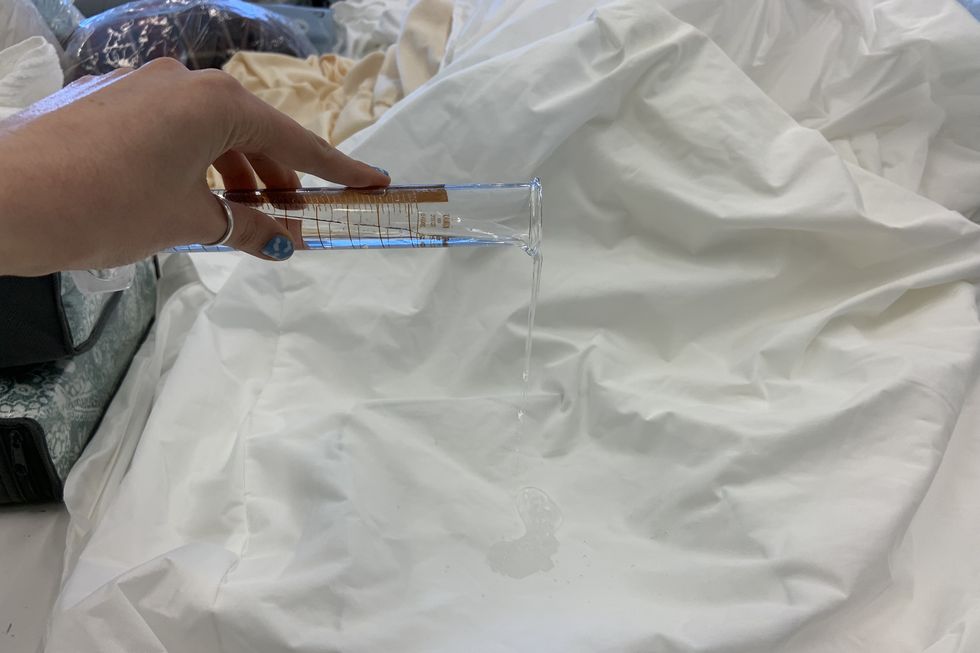
Before using a new mattress protector, you can test its waterproofing by pouring a small amount of water on the surface and checking if it beads up and doesn’t soak through. This simple test can give you peace-of-mind about the protector’s effectiveness.
5. Can a mattress protector stop bed bugs and protect against leaks?
While all waterproof mattress protectors can protect against leaks, not all are designed to stop bed bugs. If you need protection from bed bugs, look for a mattress encasement that seals completely and is specifically labeled for bed bug protection.
Sources
- Povoroznyuk, V., & Petrenko, D. (2020). “Evaluation of the Effectiveness of Waterproof Mattress Protectors in Managing Bedwetting in Children.” Journal of Pediatric Urology, 16(3), 253-258.
- Goel, A., Bansal, R., & Singhai, A. (2019). “Evaluation of Comfort and Effectiveness of Different Types of Mattress Protectors in Incontinence Management among Elderly.” Indian Journal of Gerontology, 33(2), 187-196.
- Environmental Protection Agency. (2020). “Vinyl Chloride.” [Online] Available: https://www.epa.gov/sites/default/files/2016-09/documents/vinyl-chloride.pdf
- Casey, A. L., & Elliott, T. S. J. (2019). “Antimicrobial Mattress Covers and Contamination of Hospital Beds: A Review.” Journal of Hospital Infection, 101(1), 1-7.
- National Institute of Environmental Health Sciences. (2021). “Polyethylene (PE) and Polypropylene (PP) Plastic.” [Online] Available: https://www.niehs.nih.gov/health/topics/agents/plastic/index.cfm
- American Academy of Allergy, Asthma & Immunology. (2022). “Preventing Allergic Reactions to Latex.” [Online] Available: https://www.aaaai.org/conditions-and-treatments/library/allergy-library/preventing-allergic-reactions-to-latex
- Environmental Protection Agency. (2020). “Thermoplastic Polyurethane.” [Online] Available: https://www.epa.gov/sites/default/files/2016-09/documents/thermoplastic-polyurethane.pdf
- Peterson, R. J., & Barrows, P. L. (2021). “Eco-Friendly Mattress Protectors: A Consumer Perspective.” Journal of Sustainable Textiles, 9(2), 89-102.
- National Institute of Environmental Health Sciences. (2021). “Bamboo as a Sustainable Material.” [Online] Available: https://www.niehs.nih.gov/news/newsroom/releases/2021/february12/index.cfm
- Centers for Disease Control and Prevention. (2023). “Bed Bug Frequently Asked Questions (FAQ).” [Online] Available: https://www.cdc.gov/parasites/bedbugs/faqs.html
- National Sleep Foundation. (2023). “Sleep and Allergies.” [Online] Available: https://www.sleepfoundation.org/articles/sleep-and-allergies