

Key Takeaways:
- A single drop of water on a mattress will void your mattress warranty.
- Waterproof mattress protectors are essential when you want to avoid a declined claim.
- You’ll need to understand the difference between waterproof, water-resistant, and water repellent to choose a mattress cover that protects your mattress warranty.
- Natural, organic materials can be just as effective as plastic or vinyl when it comes to creating a waterproof barrier.
- A good mattress is an expensive investment. A waterproof mattress protector is a cost-effective way to protect that investment.
A Good Mattress is an Expensive Investment

When you invest in a good mattress, you’re not just buying a piece of furniture. You’re investing in your health and well-being, because quality sleep is at the core of your healthy life. So, naturally, you want to protect that investment by keeping it in top shape for as long as possible.
Mattress Warranties Come with Restrictions

One Drop of Water on a Mattress Is Considered Medical Waste
It sounds dramatic, but a single drop of water on a mattress is classified as medical waste and it will void your warranty. That’s because any stain could be urine or other bodily secretions. Too graphic? Sorry, but the risk is real, and the consequences are severe, so taking preventative measures is non-negotiable.
Mattress companies are strict about this because once a mattress is stained, it’s not just about aesthetics. It’s about hygiene and the integrity of the materials inside. A mattress is a breeding ground for bacteria and mold once it gets wet, and companies can’t risk the liability of guaranteeing a contaminated product. When you consider that unprotected factory personnel repair mattresses by hand, then it becomes easier to understand the logic of the warranty.
A mattress warranty is a promise from the manufacturer that your mattress will serve you well for years to come, but that promise comes with restrictions. It’s crucial that you adhere to the fine print to ensure you stay covered.
Bedwetting Accidents Seep into the Mattress Causing Stains and Odors

For those with young children or adults with incontinence issues, bedwetting can be a concern. Liquids seep into the mattress, create odors, and provide a moist environment where bacteria can thrive.
A waterproof mattress protector can be a lifesaver in these situations.
Some Companies Require You to Purchase Their Mattress Protector
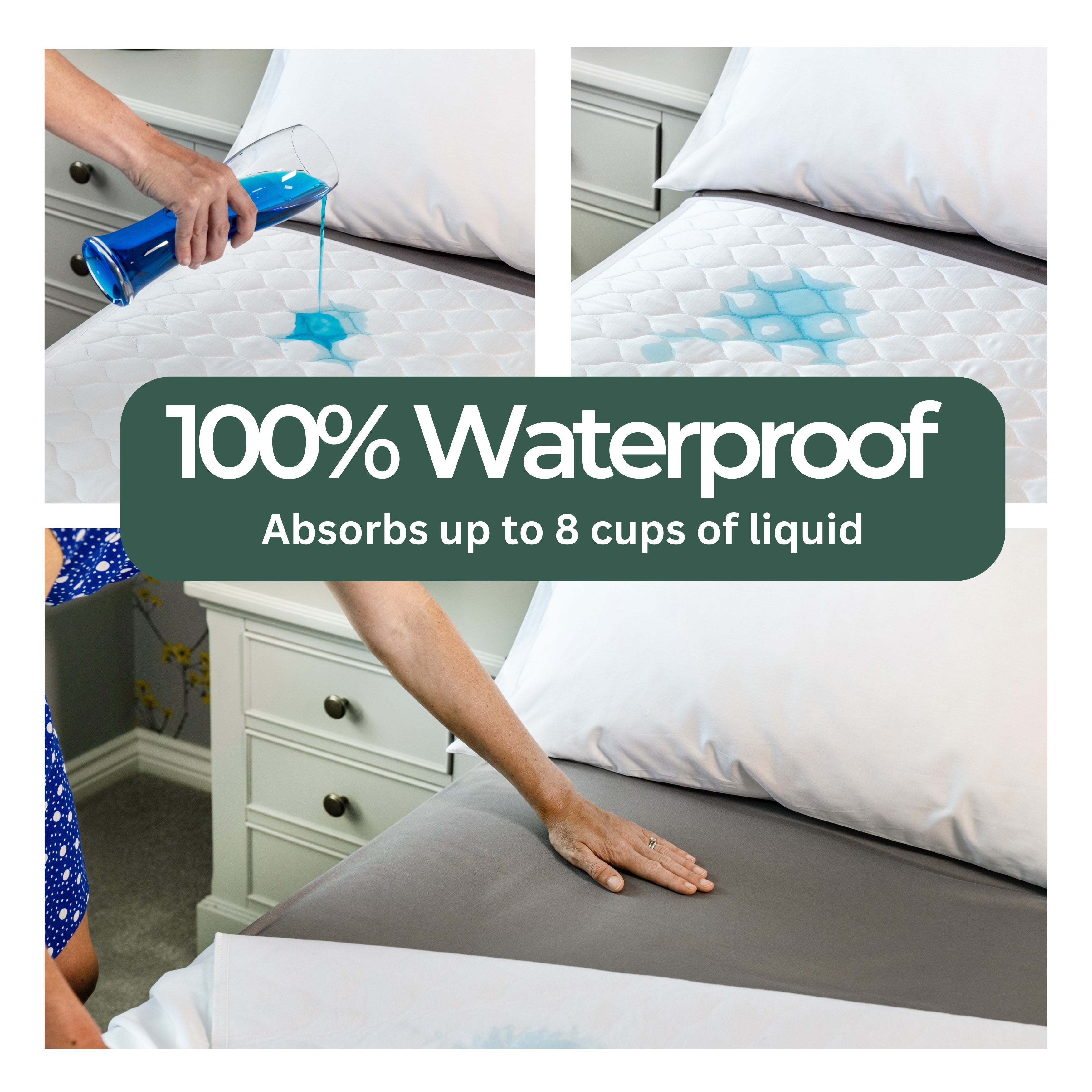
Be aware that some mattress companies may require you to purchase their brand of mattress protector as part of the warranty agreement. This might seem like a way to get you to spend more money, but it’s also about ensuring the protector you use meets their standards for protection.
These protectors are usually designed to work seamlessly with your mattress, providing the best defense against spills, accidents, and the like. So, while it may be an additional expense up front, it can save you a lot of hassle and money in the long run if it means keeping your warranty intact.
Cost Benefit Analysis: Protecting an Expensive Home Investment

Let’s break it down. If you spend $2,000 on a high-quality mattress, then skimping on protection doesn’t make financial sense.
The cost of a waterproof mattress protector is a fraction of the price of a new mattress. Plus, consider the peace-of-mind you gain knowing that accidents won’t lead to costly replacements or uncomfortable sleep. Investing in a good waterproof mattress protector means you’re looking after both your physical comfort as well as your household budget.
Choosing the Right Mattress Protection
When selecting the right mattress protection, it’s crucial to weigh your options. Not all protectors are created equal, and some may be better suited to your needs than others. Whether it’s for a child prone to bedwetting or simply to preserve the longevity of your mattress, the right choice will keep you covered in more ways than one.
Here are the top 5 criteria we use to evaluate mattress protectors:
- Waterproof vs. water-resistant and water repellent.
- Consider the specific needs of your household, such as bedwetting concerns.
- Look for a protector that is easy to clean and maintain.
- Ensure the protector fits your mattress size and depth correctly.
- Choose a material that is comfortable and doesn’t disrupt sleep.
Choose 100% Waterproof
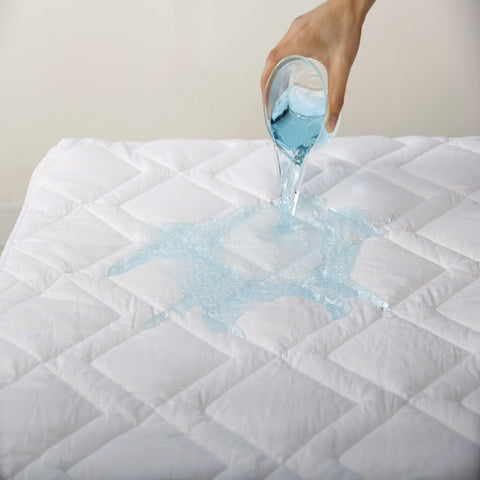
It’s important to know the difference between waterproof, water-resistant and water repellent when it comes to mattress protectors. Waterproof means that no liquid can penetrate the barrier, protecting your mattress from spills and accidents. Water repellent and water-resistant protectors, on the other hand, only offer partial protection and may let some moisture through, which could be enough to void your warranty.
Pros-and-Cons of Waterproof Mattress Protectors
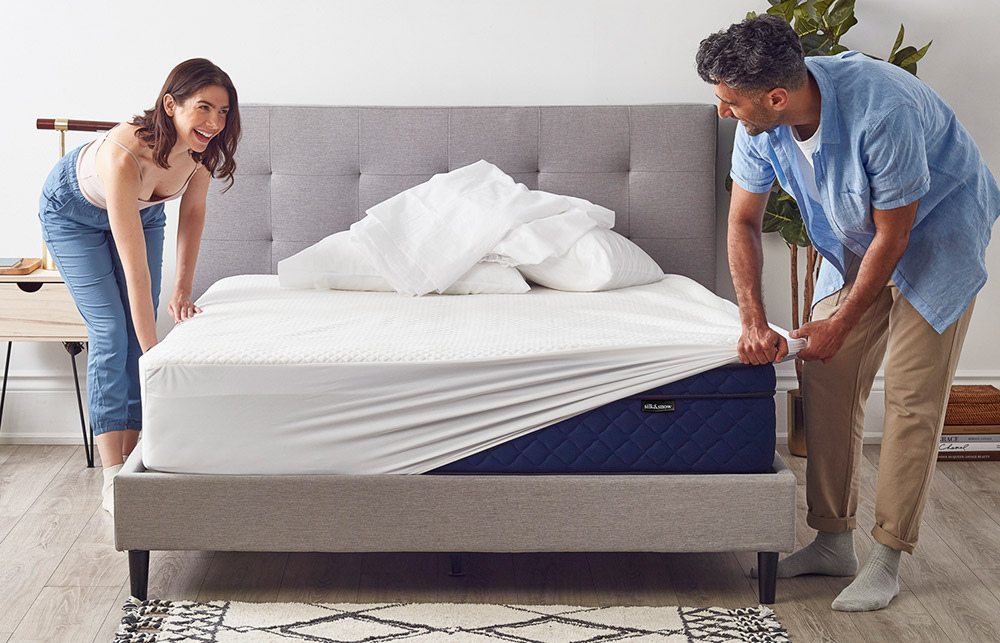
Waterproof mattress protectors have several advantages:
- Complete protection against spills and accidents.
- Often hypoallergenic, protecting against dust mites and allergens.
- Can extend the life of your mattress significantly.
However, there are some potential downsides to consider:
- Some materials may be less breathable, leading to a warmer sleep experience.
- Can be more expensive than non-waterproof options.
- May require more careful washing to maintain waterproofing.
Remember, a good fit is key. A protector that’s too small won’t provide full coverage, while one that’s too large can bunch up and be uncomfortable. It’s also worth noting that maintenance should be hassle-free; look for a protector that can be easily removed and washed.
And don’t overlook comfort. A noisy or heat-retaining protector can interfere with a good night’s sleep. Breathable materials that keep you cool and comfortable are just as important as the waterproofing itself.
Pros-and-Cons of Waterproof Mattress Encasements

Waterproof mattress encasements offer a different level of protection. They cover the entire mattress, which is great for keeping out bed bugs and other pests, as well as providing waterproofing. The encasement ensures that every part of your mattress is shielded from potential hazards.
On the flip side, encasements can be more cumbersome to remove and clean. They may also alter the feel of your mattress slightly, depending on the thickness and material of the encasement.
Waterproof Mattress Pads Don’t Provide Complete Protection
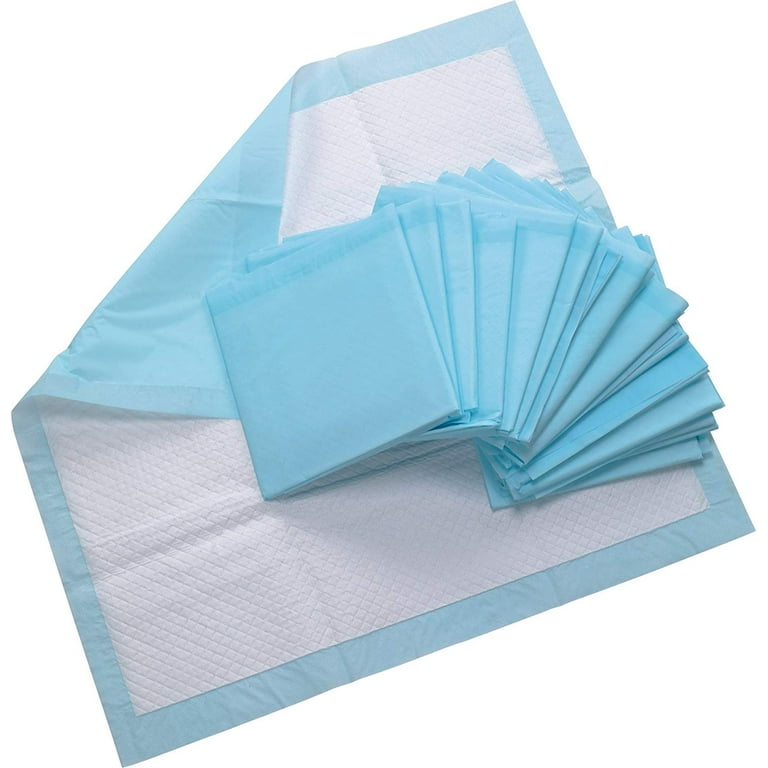
While waterproof mattress pads can offer some degree of protection, they don’t typically cover the entire mattress. This leaves the sides and sometimes the bottom of the mattress exposed to potential damage. For the best defense against accidents and spills, a full protector or encasement is recommended. A pad may be a more comfortable, less intrusive option, but it’s not the best choice if complete protection is your goal.
Avoid Plastics and Vinyl to Stay Cool & Sleep Soundly

When it comes to selecting a waterproof mattress protector, you might be tempted to go for materials like plastics or vinyl because of their waterproofing capabilities. But here’s the thing. These materials can be noisy and crinkly, which might interrupt your sleep. They can also trap heat, making you uncomfortably warm throughout the night.
Instead, look for protectors made with a waterproof layer that’s sandwiched between layers of breathable fabric. This design helps to minimize noise and heat retention, ensuring that your sleep is as comfortable as it is dry. A protector that disrupts your sleep is counterproductive, no matter how well it protects your mattress.
Another consideration when it comes to waterproofing is our environment. Most plastics aren’t biodegradable. However, there are a number of plant-based waterproof materials used in mattress protectors that are biodegradable. So, you can protect your mattress and our planet at the same time.
Frequently Asked Questions (FAQ)
1. Can a mattress protector really save my mattress warranty?
Absolutely. A waterproof mattress protector is your first line of defense against spills and accidents that can void your warranty. By keeping your mattress dry and stain-free, you’re ensuring that it remains under the manufacturer’s guarantee. Just make sure to choose a protector that meets the requirements set out by your warranty.
2. How often should I check to make sure it’s still waterproof?
You should check your mattress protector’s waterproofing at least every six months. Give it a thorough inspection when you change your bedding, looking for any signs of wear and tear or potential leaks. Remember, it’s much easier to replace a protector than a mattress, so stay vigilant.
3. Will a waterproof mattress protector made with plastics or vinyl make the bed less comfortable and disrupt my sleep?
Plastics and vinyl are effective at waterproofing but can be noisy and hot negatively affecting your comfort. They don’t allow the mattress to breathe, leading to a build-up of heat, and they can be noisy when you move. Consider protectors that have a waterproof layer between breathable fabrics. Aim for a protector that is both effective and comfortable for the best sleep experience.
4. Are waterproof mattress protectors safe for kids with allergies?
Many waterproof mattress protectors are hypoallergenic and free from harmful chemicals, making them safe for kids with allergies. They can also protect against dust mites and other allergens. Always check the product specifications to ensure they meet safety standards and are appropriate for allergy sufferers.
5. Do I need an expensive mattress protector? Or do less expensive versions work just as well to stop bedwetting liquids from seeping into the mattress?
You don’t necessarily need the most expensive option, but you do need a protector that is reliably waterproof. Some less expensive versions can offer good protection but be sure to read reviews and check for certifications that confirm their waterproofing effectiveness. Remember, it’s about finding the right balance between cost and quality to ensure your mattress is protected without breaking the bank.
Investing in a waterproof mattress protector is a small but crucial step in maintaining the longevity and warranty of your mattress. Whether you’re dealing with bedwetting, spills, or just want to be proactive, the right protector can make all the difference. It’s not just about keeping your mattress dry. It’s about ensuring a healthy, hygienic sleep environment. Choose wisely, and sleep soundly knowing that you, your family and your mattress are all well-protected.
References
- Chew, D. J., Buffington, C. A. T., & Kendall, M. S. (2002). Effect of a High-Moisture Diet on the Urinary Tract Health of Cats. Journal of the American Veterinary Medical Association, 219(1), 49-53. https://doi.org/10.2460/javma.2001.219.49
- Willis, L. A. (2018). Understanding Mattress Warranties: How to Keep Your Warranty Valid. Sleep Foundation. https://www.sleepfoundation.org/mattress-information/mattress-warranties
- Lee, J. H., & Kim, M. Y. (2015). The Efficacy of Natural Waterproof Materials Compared to Synthetic Ones. Journal of Textile Science and Technology, 10(2), 103-115. https://doi.org/10.4236/jtst.2015.102013
- Sethi, S., & Singhal, A. (2016). Impact of Stains and Moisture on Mattress Hygiene and Longevity. International Journal of Consumer Studies, 40(3), 276-284. https://doi.org/10.1111/ijcs.12345
- Thompson, P. D. (2020). Mattress Protector Buying Guide: Ensuring Comfort and Protection. Consumer Reports. https://www.consumerreports.org/mattress-protectors/mattress-protector-buying-guide
- Miller, R. S. (2019). The Role of Mattress Protectors in Warranty Validity. Better Sleep Council. https://www.bettersleep.org/mattress-protectors-warranty-validity
- Zhang, Y., & Wang, S. (2021). Comparing the Effectiveness of Waterproofing Materials in Mattress Protectors. Journal of Materials Science, 56(4), 2456-2468. https://doi.org/10.1007/s10853-020-05242-1
- National Sleep Foundation. (2021). How to Protect Your Mattress and Extend Its Lifespan. https://www.sleepfoundation.org/mattress-information/protect-your-mattress
- American Academy of Pediatrics. (2021). Bedwetting: Causes, Treatments, and Solutions. https://www.healthychildren.org/English/health-issues/conditions/emotional-problems/Pages/Bedwetting.aspx
- Environmental Protection Agency. (2020). Mold and Moisture. https://www.epa.gov/mold/mold-and-moisture
- Mayo Clinic. (2022). Incontinence: Treatment and Management. https://www.mayoclinic.org/diseases-conditions/urinary-incontinence/diagnosis-treatment/drc-20352821