

Key Takeaways:
- My Green Mattress Organic Cotton Protector is the Good Housekeeping 2024 Top Choice for best waterproof mattress protector for bedwetting kids.
- 30 tips and tricks, from parenting experts, to help you and your toddler sail through potty training.
- How to know when your baby or toddler is ready for potty training.
- How to create an effective plan to ensure a smooth potty-training experience for the whole family.
- Additional tools that support the potty-training process.
My Green Mattress Organic Cotton Protector Wins!
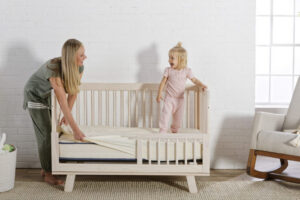
The My Green Mattress Organic Cotton Protector has been named by Good Housekeeping as their top choice in 2024 for Best Waterproof Mattress Protector for Bedwetting Kids.
The My Green Mattress Organic Cotton Protector was rigorously tested across 200 different data points at the Good Housekeeping Institute’s Textiles Lab, and then tested again by parents in their homes. My Green Mattress Organic Cotton Protector beat every competitor in 2024 for comfort, product performance, and durability.
My Green Mattress is one of the top producers of organic, sustainable bedding products. They offer a full line of mattresses, sheets and pillowcases, and mattress protectors. Their waterproof mattress protectors are natural and protect bedding from moisture, dust mites, and other allergens. Their superior design includes two layers of soft jersey produced from organic cotton that’s GOTS certified. The moisture barrier is 100% waterproof. It’s breathable, comfortable, and quiet. The mattress protector is a fitted style with an organic cotton skirt that covers 5 sides of the mattress.
Features & Benefits:
- Soft jersey GOTS certified organic cotton for comfort and flexibility.
- Sewn by hand in the factory in LaGrange, IL.
- Highly absorbent thermoplastic polyurethane protects your mattress from moisture.
- Ultra-thin moisture barrier makes up less than 5% of the mattress protector, so it doesn’t make a crinkling sound and wake your child at night.
- Material is microporous, meaning that it blocks moisture but remains breathable and doesn’t cause your child to overheat while they’re sleeping.
- No chemical flame retardants, vinyl/PVC, phthalates, or rubber.
- Fitted design with skirting and elastic perimeter that fits crib mattresses up to 6 inches thick.
- Machine washable and dryable on low heat.
- GREENGUARD GOLD compliant and GOTS approved.
- Materials are sourced from Oeko-Tex Class-1 certified suppliers.
- Full range of sizes from Crib to California King.
Customer Reviews
My Green Mattress Organic Cotton Protector has earned an incredible 4.9 rating out of a potential 5 stars from more than 600 verified customers.
Works Well
My toddler has wet the bed a couple of times and the mattress has stayed dry.
Great Quality
It’s so nice that this mattress protector does not make my child sweaty. And there’s no plastic sound or feel.
Perfect fit, easy to put on & stays on
I’m very happy with it so bought a 2nd one for the other bed as well!
Is Your Child Ready for Potty Training?
Before you start potty training, it’s essential to determine if your child is ready. Rushing the process can lead to frustration for both of you. So, how do you know when to start?
Recognize the Signs of Readiness
Each child is unique, but there are common indicators that can signal they’re ready to begin potty training. Look for these signs:
- They show curiosity about the toilet or the potty chair.
- They can follow simple instructions and understand basic concepts related to potty training.
- They express discomfort with soiled diapers and may ask for a change.
- They have dry periods of at least two hours, which shows bladder control.
These signs are important because they indicate both physical and cognitive readiness.
Assess Physical and Emotional Development
Physical readiness is about bladder and bowel control, while emotional readiness involves willingness and interest. Your child needs to be both physically and emotionally prepared to start potty training effectively. If they resist or show no interest, it may be wise to wait a little longer. You want this to be a positive experience, not a power struggle.
Getting Started with Potty Training
Choose the Right Potty
When it comes to potties, you have two main options: a stand-alone potty chair or a seat reducer that fits on your regular toilet. Consider these factors:
- Size: A potty chair is small and just the right size for your toddler. A seat reducer makes the big toilet less intimidating.
- Convenience: Potty chairs can be moved around the house, while seat reducers are fixed.
- Comfort: Your child might feel more secure on a potty chair closer to the ground.
Ultimately, the best choice is the one that your child is comfortable with and willing to use. Some children might prefer the “grown-up” feel of a seat reducer, while others like the autonomy of a potty chair.
Create a Positive Bathroom Environment
A welcoming and child-friendly bathroom can make all the difference. Here’s how to create a space that your child will be happy to use:
- Keep the potty in an accessible place where your child spends a lot of time.
- Decorate the area with fun stickers or paint to make it appealing.
- Have a step stool available if you’re using a seat reducer so your child can reach easily.
- Ensure the bathroom is a safe space: remove any cleaning chemicals or sharp objects.
Developing a Solid Potty-Training Plan
Establish a Routine
Consistency is key. Start by taking your child to the potty at regular intervals, such as after meals or before bedtime. This helps build a routine and makes it easier for them to understand what’s expected. Keep in mind, it’s not just about sitting on the potty; it’s about creating a habit that will stick.
Maintain Consistency in Various Settings
Whether you’re at home, at grandma’s house, or at daycare, try to maintain the same potty routine. This consistency helps reinforce the habit. If you’re out and about, bring a portable potty or choose a familiar public restroom to keep the experience as consistent as possible.
It’s also essential to communicate with other caregivers about your potty training approach so everyone is on the same page. This uniformity provides a sense of security and predictability for your child, which is incredibly reassuring during this time of change.
Effective Techniques for Potty-Training Success
Use Rewards Strategically
Positive reinforcement can be a powerful tool. When your child uses the potty successfully, celebrate with praise, clapping, or a small reward. Here are a few ideas:
- Stickers on a chart for each successful potty attempt.
- A special book or toy that’s only for use after potty time.
- Singing a victory song or doing a happy dance together.
Remember, the reward should be immediate to connect the positive action with the positive outcome. This helps your child understand that using the potty is a good thing.
Most importantly, be patient and remember that every child is different. Some may take to potty training quickly, while others need more time. Celebrate the small victories and stay positive. The key is to keep moving forward and to keep encouraging your child every step of the way.
Turn Toilet Time into Fun Time
Making the potty-training process fun can significantly reduce resistance and increase enthusiasm. Turn this new challenge into a game. For example, you could use toilet targets for your little boy to aim at, or sing a special potty song that celebrates the process. The key is to associate the potty with fun, not just a must-do task.
Here’s a little trick: put a few drops of blue food coloring in the toilet bowl. Tell your child that when they pee, it’ll turn the water green. It’s like magic for them, and it turns an ordinary activity into an extraordinary one!
Overcoming Common Wetting Challenges
Even with the best plan and intentions, accidents will happen. It’s a normal part of the learning process. The way you respond to these accidents can greatly impact your child’s attitude towards potty training.
Handle Accidents with Patience
When accidents occur, it’s important to remain calm and reassuring. Avoid showing disappointment or frustration. Instead, gently remind your child that accidents happen and that’s okay. Clean up together and encourage them to try using the potty again next time.
Consider saying something like, “Oops! We didn’t make it to the potty this time. That’s alright, we’ll try again later. Let’s clean up and keep playing!” This approach reinforces that it’s not a big deal and they can always try again.
Manage Fear or Resistance
Sometimes, children may develop a fear of the potty or resist using it. This can be due to various reasons, such as a previous uncomfortable experience or simply not feeling ready. To manage this, first, try to understand the root of their fear or resistance. Then, address it with empathy and patience.
Moving Towards Independence
Transition From Diapers to Underwear
One of the most exciting milestones in potty training is the switch from diapers to underwear. It’s a big step towards independence. To make the transition smoother, let your child pick out their own underwear. Choosing underwear with their favorite characters or colors can make them feel more invested in keeping them dry.
It’s also a good idea to have a few extra pairs on hand, especially during the first few weeks. Accidents can still happen, and having a change of clothes ready can help prevent any discomfort or embarrassment for your child.
Teach Hygiene and Self-Care
Good hygiene is an important part of potty training. Teach your child to wipe properly, wash their hands, and flush the toilet after each use. Make it easy by keeping wipes and a step stool near the toilet and by modeling good hygiene yourself.
For boys, you might also need to teach them when to sit or stand. A good rule of thumb is to start with sitting down for both bowel movements and urination, and then introduce standing once they’ve mastered the basics.
When Things Don’t Go as Planned
How to Address Regression
Regression, or a backslide in potty training progress, is common and can be triggered by changes like a new sibling, moving to a new house, or starting school. If regression occurs, it’s important to stay calm and go back to the basics. Re-establish the routine and give extra support and encouragement.
Reassure your child that it’s okay and remind them of the progress they’ve made. Sometimes, a brief return to diapers or pull-ups can take the pressure off until they’re ready to try again.
When to Seek Professional Help
If you’ve tried everything and your child is still struggling with potty training, or if there are other signs of a problem, such as pain during urination or bowel movements, it might be time to consult a healthcare provider. They can rule out any underlying issues and provide guidance tailored to your child’s needs.
Remember, every child is different, and there’s no one-size-fits-all approach to potty training. What works for one child might not work for another, and that’s perfectly okay.
On-the-Go Potty Training Tips
Being away from home doesn’t mean potty training has to be put on hold. With a little preparation, you can maintain the routine even when you’re on the move.
Potty Training While Traveling
Traveling can disrupt your child’s routine, so it’s important to plan ahead. Bring a portable potty or a foldable seat reducer, and make frequent bathroom stops. Explain to your child that finding a bathroom might take a little longer than usual but reassure them that it’s okay to let you know when they need to go.
Consider practicing short trips before a longer journey to help your child get used to using the potty outside the home. This can make the actual travel experience less daunting for both of you.
Quick and Clean Solutions for Public Restrooms
Public restrooms can be intimidating for a small child. To help ease their concerns, try these tips:
- Carry a travel potty seat cover for hygiene.
- Keep a small pack of disinfectant wipes handy for quick clean-ups.
- Have a “potty kit” with spare underwear, pants, and a plastic bag for soiled clothes.
Encourage your child to use the restroom before leaving the house and at regular intervals during outings. And most importantly, be patient and flexible. Potty training is a journey with ups and downs, but with persistence and a positive attitude, you and your child will navigate it successfully.
Celebrating Milestones and Successes
Craft a Reward Chart
Reward charts are a fantastic way to celebrate each successful trip to the potty. They provide a visual representation of your child’s progress and can be incredibly motivating. Here’s how to make one:
- Get a poster board or a piece of paper.
- Draw a simple chart or use stickers to mark each success.
- Let your child place a sticker or make a mark each time they use the potty.
- Set milestones for a certain number of stickers, which can then be exchanged for a bigger reward.
This not only encourages your child but also gives them a sense of accomplishment. Plus, it’s a fun activity you can do together!
Share Successes for Encouragement
When your child reaches a potty-training milestone, share their success with loved ones. This could be as simple as a phone call to grandparents or a small family celebration. Positive reinforcement from a wider circle can boost your child’s confidence and reinforce the behavior.
Frequently Asked Questions (FAQ)
1. At what age does potty training normally start?
Potty training typically begins between the ages of 18 and 24 months, but it’s not uncommon to start earlier or later. It’s more about readiness than age. Look for signs like your child staying dry for longer periods, showing interest in the bathroom, or disliking dirty diapers.
2. How long does potty training usually take?
The duration of potty training varies for each child. Some may learn in a few days, while others might take several months. It’s important to go at your child’s pace and remain patient and supportive throughout the process.
3. What if my child shows no interest in potty training?
If your child isn’t interested in potty training, it may not be the right time to start. Pressuring them can lead to resistance and negative associations. Instead, take a break and try again in a few weeks or months. Sometimes, just waiting a bit longer can make a big difference.
4. How can I potty train with both parents working on tight schedules?
For busy families, consistency is vital. Communicate your potty-training plan with all caregivers and try to maintain the same routine on weekends. Also, consider starting potty training during a vacation or long weekend when you can dedicate more time to the process.
5. What is the best hypoallergenic waterproof mattress protector for my toddler?
When choosing a mattress protector, look for one that’s 100% waterproof and manufactured using natural, organic materials. This ensures the protector is hypoallergenic and safe for your baby’s sensitive skin. It should fit snugly on the mattress for superior protection. And make sure it’s machine washable for fast, easy clean-ups. We recommend My Green Mattress Organic Cotton Protector. It’s the Good Housekeeping 2024 top choice for Best Waterproof Mattress Protector for Bedwetting Kids.