

Key Takeaways:
- D-Mannose can help prevent urinary tract infections (UTIs) in cats by flushing out harmful bacteria from their bladder and urinary tract.
- Symptoms of a UTI in cats can include frequent urination, straining to urinate, and inappropriate urination.
- Check with your vet for the optimal dosage for your cat. A general guideline is 250-500 mg daily for a small to medium-sized cat.
- Understand potential side effects before starting treatment.
Benefits of D-Mannose for Cats with UTIs
If your cat is struggling with urinary tract issues, you’re likely searching for solutions to ease their discomfort and prevent future problems. One option recommended by veterinarians is D-Mannose, a natural sugar that helps manage and prevent UTIs in both dogs and cats.

What Are the Symptoms of a Cat UTI?
Watch for these common symptoms of a urinary tract infection:
- Frequent trips to the litter box with little urine to show for it.
- Straining or crying out in pain during urination.
- Urinating outside the litter box, often in unusual places.
- Blood in the urine, which may appear darker or have an abnormal odor.
Contact your veterinarian right away when you see your cat exhibit any of these behaviors.
What Causes My Cat’s UTI?

Most cat UTIs are caused by bacteria, with E. coli being the primary culprit. These bacteria can travel up the urethra and into the bladder, causing inflammation and discomfort. Factors like stress, poor diet, and inadequate water intake can also contribute to the likelihood of your cat developing a UTI.
What is D-Mannose?
D-Mannose is a type of sugar related to glucose, but it’s not like the sugar in your kitchen. It’s found in some fruits like cranberries, which are already well-known for their benefits to urinary health. In scientific terms, it’s a monosaccharide that can inhibit bacterial adhesion to the urothelium after oral intake. Several clinical studies have shown the efficacy of d-mannose in the prevention of recurrent UTIs.
Natural vs. Synthetic D-Mannose
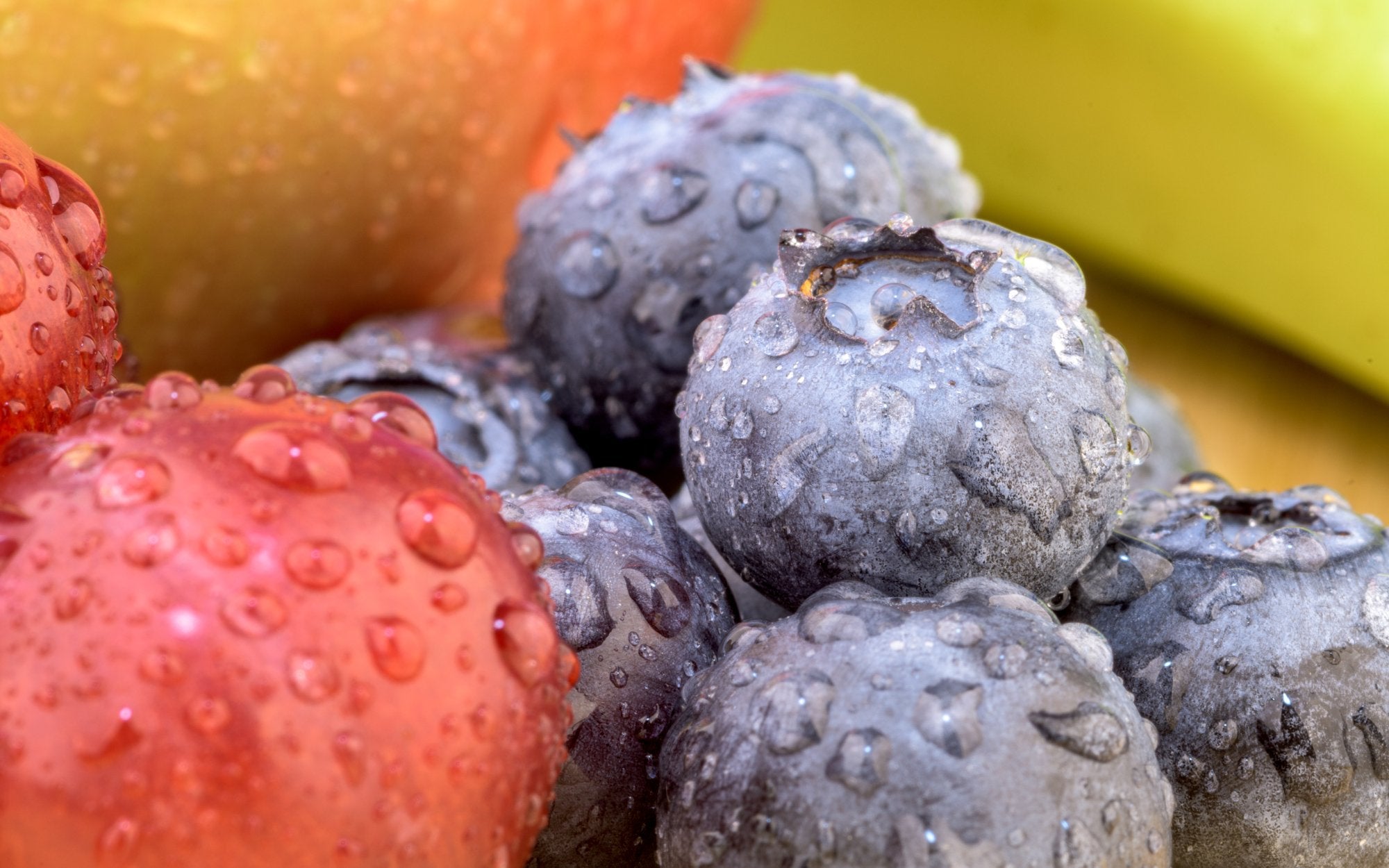
D-Mannose is found in cranberries, blueberries and other colorful fruits; but it can also be created in a lab. Research shows that natural D-Mannose is a more effective choice for your cat, because their body will react better to the natural form. For this reason, we prefer a supplement with cranberry or cranberry extract, instead of synthetic ingredients.
How Does D-Mannose Prevent Urinary Tract Infections?
D-Mannose works by binding to the bacteria in your cat’s urinary system. The bacteria become slippery, so they don’t stick to the walls of the urinary tract. Then the bacteria and D-Mannose are flushed out of your cat’s system during urination. This process reduces the number of bacteria that can cause infections, giving your cat a natural urinary support.
Remember supplements won’t cure a full-blown bacterial infection, so D-Mannose works best as a preventive measure or as a part of a broader treatment plan that your vet advises.
Where to Find High-Quality D-Mannose Supplements for Cats
Look for a reputable brand with authentic user reviews that has been tested for purity and safety.
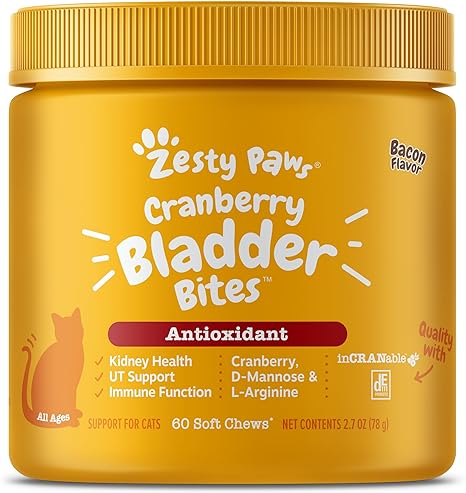
One of our favorites is Zesty Paws Cranberry Bladder Bites. It’s recommended by veterinarians. It contains natural cranberry extract, d-mannose, l-arginine, and probiotics. It’s a bacon flavored soft chew that your cat will love. And it’s an Amazon Best Seller with a 4.4 rating (12,307 verified purchasers).

Safe Dose & Side Effects
What’s the Correct Dose for Your Cat?
The dosage can depend on several factors, including the size of your cat and the severity of the infection.
A general guideline is 250-500 mg of D-Mannose daily for a small to medium-sized cat.
Always consult with your vet to determine the appropriate dosage for your cat’s specific needs.
How to Administer D-Mannose
If you use the powder form, you’ll need to measure the correct dose and add to their food. Many cat owners find it easier to give their cat a soft chew they can eat like a kitty treat.

Be sure to give your cat their supplement at the same time each day. Start with the vet-recommended dosage and observe your cat for any changes. And watch for signs of an allergic reaction, like itching or difficulty breathing. Make sure your cat has plenty of fresh water to aid in flushing out their urinary system.
Side Effects
Most cats tolerate D-Mannose well, but some may experience gastrointestinal upset, including diarrhea or bloating. If you notice any adverse effects after starting D-Mannose, stop the supplement and consult your vet.
Frequently Asked Questions (FAQ)
1. Is D-Mannose safe for kittens?
D-Mannose is generally safe for cats of all ages, including kittens. However, because kittens are smaller and their bodies are still developing, it’s essential to consult with a vet to determine the appropriate dosage and to ensure it’s the right choice for their specific health needs.
2. How quickly does D-Mannose take effect?
The effects of D-Mannose can be seen relatively quickly, often within a day or two. However, the full benefits especially for UTI prevention may be observed over a longer period of regular supplementation.
3. Will D-Mannose stop my cat’s bed wetting accidents?
If your cat’s bed wetting is due to a UTI or bladder inflammation, D-Mannose may help by preventing the bacteria from causing further infections. However, bed wetting can have other causes, so it’s essential to have your cat examined by a vet to determine the underlying issue.
4. What are the signs of a UTI in my cat?
Signs of a UTI in cats can include frequent urination, difficulty urinating, urinating outside the litter box, blood in the urine, and excessive licking of the genital area. If you notice any of these symptoms, consult your vet right away.
References
- American Academy of Pediatrics. (2019). Bedwetting (Enuresis). HealthyChildren.org. https://www.healthychildren.org/English/health-issues/conditions/genitourinary-tract/Pages/Bedwetting.aspx
- Boots, L. (2017). Urinary Tract Infections in Cats. VCA Hospitals. https://vcahospitals.com/know-your-pet/urinary-tract-infections-in-cats
- Bailiff, N. (2020). Cat UTIs: Signs, Symptoms, and Treatment. Hill’s Pet Nutrition. https://www.hillspet.com/cat-care/healthcare/cat-uti
- D-Mannose. (2021). In NIH National Center for Complementary and Integrative Health. https://www.nccih.nih.gov/health/d-mannose
- Butscher, J. (2018). D-Mannose: A Useful Sugar for Urinary Tract Infection Prophylaxis. International Journal of Antimicrobial Agents, 52(5), 640-645. https://doi.org/10.1016/j.ijantimicag.2018.07.015
- Veterinary Partner. (2021). Feline Lower Urinary Tract Disease (FLUTD). Veterinary Information Network. https://veterinarypartner.vin.com/default.aspx?pid=19239&id=4951457
- Chew, D. (2021). Feline Lower Urinary Tract Diseases. Merck Veterinary Manual. https://www.merckvetmanual.com/cat-owners/lower-urinary-tract-disease-in-cats
- Smith, S. (2020). D-Mannose for Dogs and Cats. Wag! https://wagwalking.com/wellness/d-mannose-for-dogs-and-cats