
Key Takeaways:
-
Read the product labels to understand materials and easy-care instructions.
-
Wash your waterproof mattress protector with mild detergent and avoid fabric softeners.
-
Pre-wash new mattress protectors before first use to enhance softness and remove odors.
-
Regular maintenance includes monthly washing and immediate action after accidents.
Getting a Long Life from Your Waterproof Mattress Protector
When it comes to caring for a waterproof washable mattress protector, the goal is to maintain its integrity while ensuring it continues to provide the protection needed against bedwetting. A well-maintained mattress protector can last for years, saving you time and money in the long run. Most importantly, it can help create a hygienic and comfortable sleeping environment for those dealing with bedwetting issues.
Understanding the Materials that Make Your Mattress Protector Waterproof
The first step in caring for your mattress protector is to understand what it’s made of. Waterproof mattress protectors are typically made of a fabric such as cotton, polyester, or terry cloth, which is then backed with a waterproof layer such as vinyl or polyurethane. The waterproof layer is what prevents liquids from penetrating the mattress.
Knowing the materials will guide you in choosing the correct washing and drying procedures, as some materials require specific care to maintain their waterproof properties. For instance, vinyl-backed protectors should not be washed with high heat, as this can damage the waterproof layer.
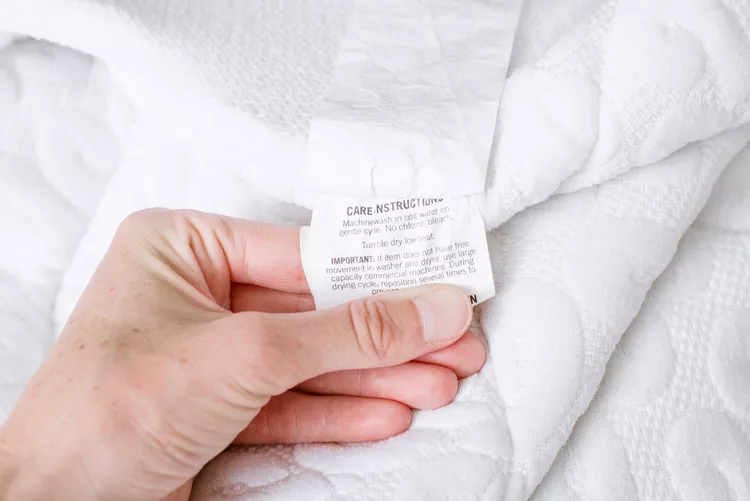
It’s essential to read the care label on your mattress protector. This label provides crucial information about the do’s and don’ts when it comes to washing and drying. If the label is missing or unreadable, err on the side of caution and use gentle wash and dry cycles.
Pros-and-Cons of Vinyl
Vinyl is a common waterproofing material due to its effectiveness in blocking liquids. However, it has its own set of considerations:
Pros:
-
Durable and effectively waterproof.
-
Generally less expensive than other materials.
-
Easy to wipe clean in the case of minor spills.
-
Cons:
-
Can be less breathable, leading to potential discomfort.
-
High heat can damage vinyl, affecting its waterproofing ability.
-
Some individuals may be sensitive to vinyl and its chemical composition.
-
Pros-and-Cons of Organic Cotton
Organic cotton is another option for mattress protectors, often chosen for its breathability and natural composition:
Pros:
-
More breathable than vinyl, offering a cooler sleeping surface.
-
Natural material, which can be preferable for those with allergies or sensitivities.
-
Typically very soft, providing additional comfort.
-
Cons:
-
May be more expensive than synthetic options.
-
Can require more careful washing to maintain waterproofing.
-
May not be as durable as synthetic materials over time.
-
Understanding these materials will help you make informed decisions about the care and maintenance of your mattress protector. Because the right care can extend the life of your protector, it’s worth taking the time to understand these details.
Ensuring a Washable Solution
When dealing with bedwetting, having a mattress protector that is easily washable is critical. A washable mattress protector not only saves you from having to replace your mattress due to accidents but also allows you to maintain a clean and odor-free sleeping environment. To ensure your protector remains washable and effective:
-
Always adhere to the care instructions provided by the manufacturer.
-
Use a mild detergent and avoid bleach or harsh chemicals that can break down the waterproofing materials.
-
Wash on a gentle cycle with cold or lukewarm water to prevent damage to the waterproof layer.
-
Pre-wash new mattress protectors to remove any manufacturing residues and to soften the material.
By following these guidelines, you can ensure that your waterproof mattress protector remains an effective barrier against moisture and provides a comfortable sleep experience for those who need it.
Maintenance and Care for Your Waterproof Mattress Protector
Guidelines for Washing
To keep your waterproof mattress protector in top condition, regular washing is essential. Here’s how to do it properly:
-
Check the care label for specific washing instructions related to the material.
-
Use a gentle, non-bleach detergent to avoid damaging the waterproof layer.
-
Wash on a gentle cycle with cold or warm water, not hot, to prevent any breakdown of the waterproofing material.
-
If the protector is heavily soiled, you can pre-soak it in cold water with a small amount of detergent.
-
Avoid using fabric softeners or bleach, as these can degrade the waterproofing capabilities and fabric integrity over time. You may opt for a bleach substitute that’s chlorine-free to get an extra level of sanitization.
Guidelines for Pre-washing
Before you use your mattress protector for the first time, it’s important to pre-wash it. This initial wash can help to:
-
Remove any manufacturing chemicals or odors.
-
Enhance the softness of the fabric for a more comfortable sleep.
-
Ensure that the protector fits your mattress properly after any potential shrinkage.
Simply follow the same washing guidelines as for regular maintenance, making sure to use a gentle cycle and mild detergent.
Guidelines for Soaps and Conditioners
The choice of detergent is crucial when washing your mattress protector. Here’s what to keep in mind:
-
Opt for mild, liquid detergents that are less likely to leave residues that could impair the protector’s waterproofing.
-
Avoid detergents with added bleach or fabric conditioners.
-
For those with sensitive skin, hypoallergenic or dye-free detergents are a good choice.
-
Enzyme-based detergents can be effective for breaking down stains but use them sparingly to avoid damage to the fabric.
Guidelines for Drying that Preserve Waterproofing
Drying your mattress protector correctly is just as important as washing it properly. To preserve its waterproof qualities:
-
Tumble dry on a low or no-heat setting.
-
Avoid high heat, which can damage the waterproof layer.
-
If possible, air dry the protector by hanging it outside or in a well-ventilated area.
-
Make sure the protector is completely dry before putting it back on the bed to prevent mold and mildew.
Guidelines for Immediate Steps When an Accident Happens
When bedwetting occurs, acting quickly can prevent lasting damage:
-
Remove the mattress protector as soon as possible to prevent the liquid from seeping through to the mattress.
-
Rinse off any excess urine with cold water.
-
Pre-treat any stains with a small amount of detergent before washing.
-
Wash the protector following the regular guidelines to prevent any lingering odors or stains.
Frequently Asked Questions (FAQ)
1. What are the best clothes washing detergents to use for a waterproof mattress protector?
The best detergents for a waterproof mattress protector are mild, liquid detergents without added bleach or fabric softeners. Hypoallergenic options are ideal for sensitive skin.
2. Should you use a fabric softener when washing a waterproof mattress protector?
No, you should avoid fabric softeners as they can coat the fabric and reduce the effectiveness of the waterproofing. Some sources believe that softener sheets actually breed molds and bacteria while being stored in the product’s box due to the warm, dark environment of a laundry room.
3. How often should a waterproof mattress protector be washed?
It’s recommended to wash your mattress protector monthly or immediately after any bedwetting incident to keep it clean and functioning properly.
4. How often should a waterproof mattress protector be replaced?
With proper care, a quality mattress protector can last several years. However, if you notice any signs of wear or decreased waterproofing, it’s time to replace it.
5. Can you dry your mattress protector on high heat to kill bacteria without ruining the protector?
It’s best to avoid high heat when drying a waterproof mattress protector, as this can damage the waterproof layer. Use a low or no-heat setting and consider using a disinfectant spray designed for fabrics if you’re concerned about bacteria.
Remember, a waterproof mattress protector is an essential tool for managing bedwetting. By following these guidelines, you’ll ensure that your mattress protector continues to provide the protection and comfort needed for a restful night’s sleep.