Key Takeaways:
- Organic cotton and microfiber are two popular bedding materials, and each one has unique benefits for kids with allergies and asthma.
- Consider combining organic cotton sheets with an organic cotton waterproof mattress protector for the ultimate barrier against mattress chemicals and allergens.
Why Bedding Has Such a Big Impact on Allergies
Organic cotton and microfiber have become popular choices for kids’ bedding products, like sheets and waterproof mattress protectors, due to their hypoallergenic properties. This makes a big difference in the quality of your children’s sleep, because these fabrics can either act as a barrier against allergens or as a breeding ground for them.
Parents who worry about their children’s allergies should consider an organic cotton waterproof mattress protector to alleviate and possibly prevent some of these symptoms. NATUREPEDIC Organic Cotton Mattress Protector for Allergies is one of our favorites. Scroll down to find out why.
What Causes Allergic Reactions in Kids
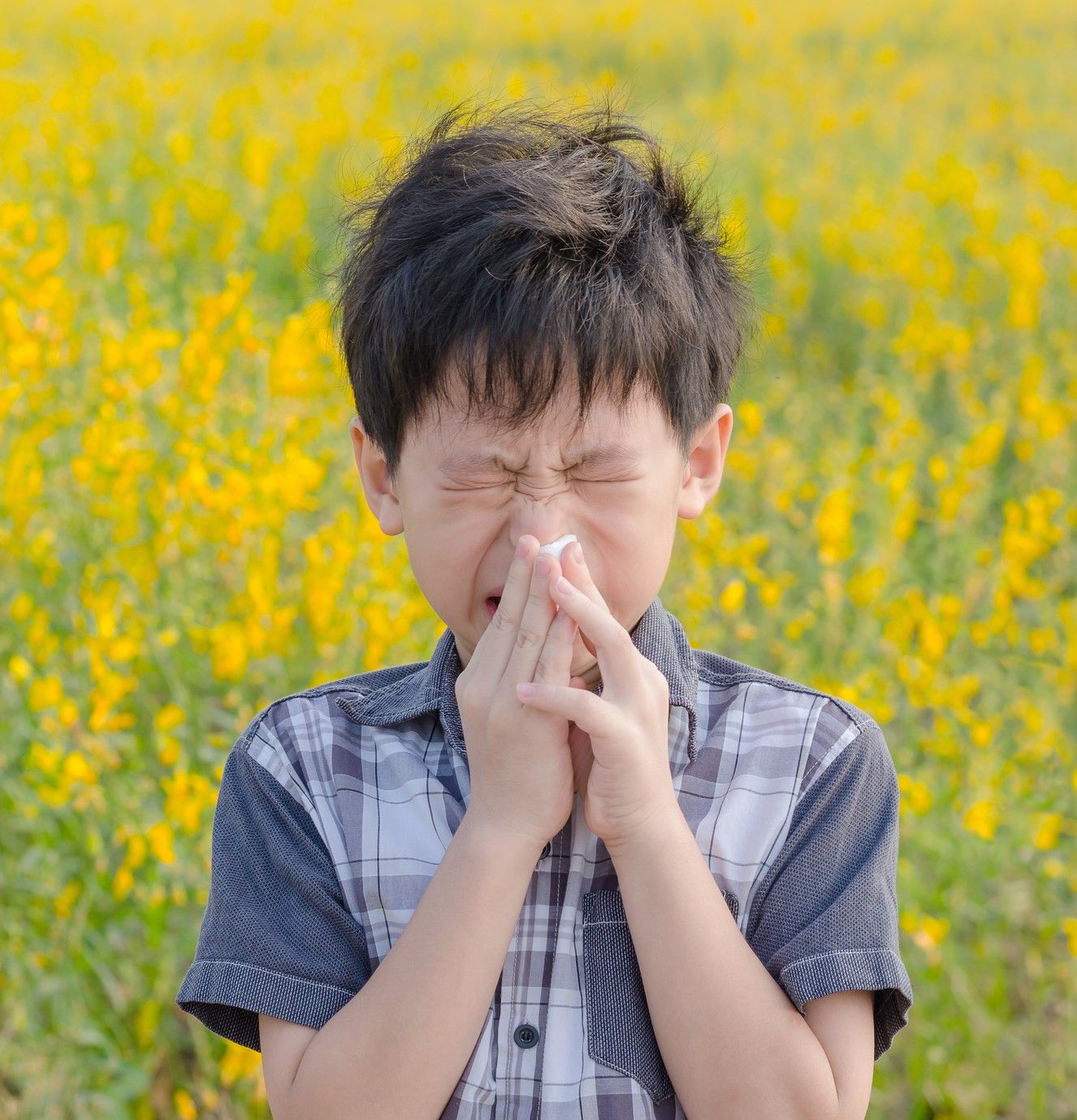
Allergies in kids can be triggered by a variety of substances, commonly known as allergens. These include dust mites, pet dander, pollen, and even the chemicals used in manufacturing certain types of bedding. Children’s immune systems can react to these allergens, causing symptoms such as sneezing, coughing, itchy eyes, and skin irritations. Unfortunately, all of these symptoms can prevent a restful and rejuvenating sleep.
What’s the Difference Between Allergies and Asthma
Allergies and asthma are often confused because they can present similar symptoms. However, they are distinct conditions. Allergies are immune system reactions to foreign substances, while asthma is a chronic lung condition that causes airway inflammation and difficulty breathing. Allergens can trigger asthma attacks, so bedding that minimizes exposure to these triggers can help your child’s condition.
Defining Hypoallergenic
When a product is labeled as “hypoallergenic” it is less likely to cause allergic reactions. HOWEVER, the term “hypoallergenic” is not regulated. Therefore, it’s important to look beyond the label and understand the fabric’s properties when choosing sheets and pillowcases for children.
Why Kids & Pets Are More Sensitive Than Adults
Children and pets are smaller than adults. They don’t have a fully functioning immune system, so they’re more susceptible to allergens. Plus, any antigen in their bedding is being smeared over their entire body for 8 hours at a time. This is why selecting bedding materials, that are hypoallergenic and chemical-free, is even more important for children than adults.
Organic Cotton Sheets & Mattress Protectors
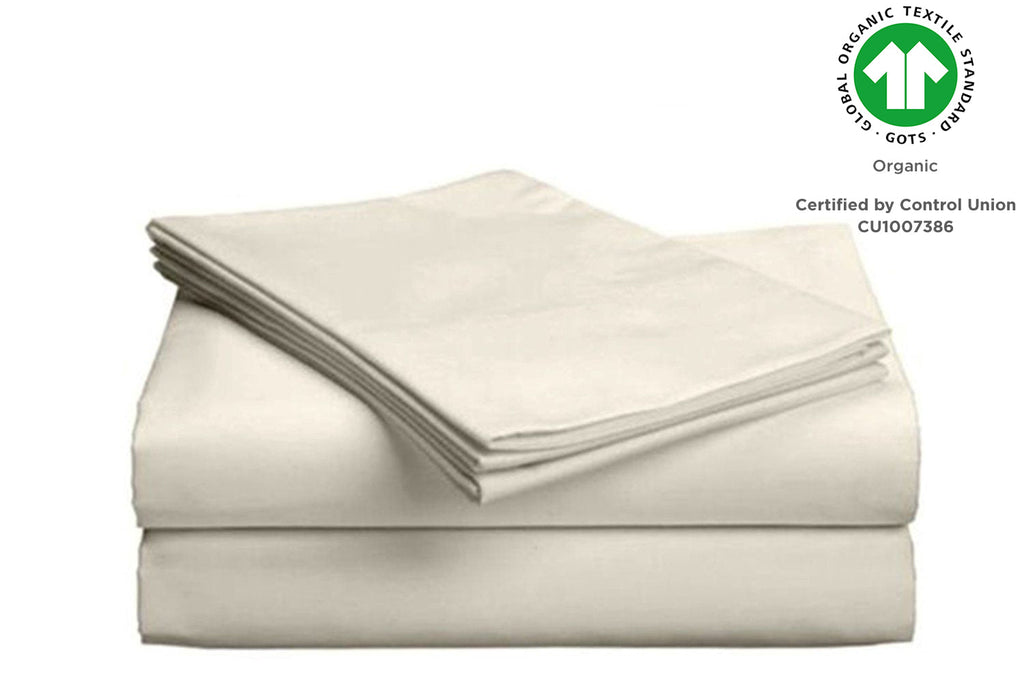
Organic cotton is not just a buzzword. It’s a carefully regulated certification that can lead to a significant improvement in your child’s sleep quality and health. Unlike conventional cotton, organic cotton is grown without the use of toxic pesticides or synthetic fertilizers. In addition, organic textiles are free from any added chemicals, like chemical water repellents and fire retardants, that get added to children’s sheets and pillowcases during the manufacturing process.
Soft & Comfortable
One of cotton’s most coveted qualities is the fact that it’s soft and comfortable to sleep on, especially the terry fabric with fiber loops used in waterproof mattress protectors. And it’s breathable so air flows through the fabric, preventing the damp conditions where dust mites thrive. When your child has a cozy place to sleep, they’ll fall asleep faster and get back to sleep more quickly when they wake during the night.
Hypoallergenic
Cotton is naturally hypoallergenic, which means it’s unlikely to cause an allergic reaction. This makes cotton a safe bet for baby clothing, bedding, and anyone with allergies or skin sensitivities.
Organic Makes a Difference
A product with an organic certification is chemical-free, so there are no pesticides or manufacturing additives to trigger chemical-related allergy attacks. Moreover, organic cotton is softer than conventional cotton, which means it’s gentler on your child’s sensitive skin.
Durable
High-quality organic cotton sheets can withstand countless washes—a necessity for keeping allergens at bay—without losing their softness or shape. This makes organic cotton a practical, long-term investment for your child’s health.
Best Organic Cotton Mattress Protector for Allergies
One of our favorites is NATUREPEDIC. They just won the Good Housekeeping Top Choice 2024 Award for Best Organic Cotton Waterproof Mattress Protector. It’s 100% waterproof. And the hypoallergenic fibers are great for kids with allergies or asthma. In addition, the organic certification means there were no pesticides in the growing process and no chemicals in the manufacturing process.
The NATUREPEDIC organic cotton mattress protector has earned an incredible 4.9-star rating from more than 930 verified customers.

Microfiber Sheets & Mattress Protectors

Microfiber bedding, on the other hand, is made from finely woven synthetic fibers. Known for its softness, microfiber is a favorite for creating a cozy sleep environment. It’s also less expensive than organic cotton, which can be a deciding factor for some families.
Soft & Comfortable
Microfiber sheets are exceptionally soft to the touch, which can make bedtime more inviting for your child. They are lightweight and can provide a level of comfort that encourages restful sleep, an essential component in managing allergies.
Hypoallergenic
Microfiber’s tight weave makes it less hospitable to dust mites and other allergens. Microfiber is also resistant to mold and mildew, common allergens that can be problematic for children.
Because microfiber is synthetic, it doesn’t absorb moisture like natural fibers do, which can help keep the sleeping environment dry and reduce the likelihood of allergens. This aspect of microfiber can be particularly advantageous during warmer months when humidity levels are higher.
Is It Safe Like a Natural Fiber
While microfiber is hypoallergenic, some parents might wonder if it’s as safe as a natural fiber like organic cotton, silk, or wool. Microfiber is generally considered safe for most children. However, because it is made from petroleum-based materials, it’s important to ensure that the microfiber bedding you choose is certified to be free of harmful chemicals.
Durable
Microfiber’s durability is one of its strong suits. It resists pilling, maintains its color, and is less prone to shrinking compared to natural fibers. These properties make microfiber an attractive option for children’s bedding, offering a combination of comfort, hypoallergenic benefits, and longevity.
Frequently Asked Questions (FAQ)
1. What makes a sheet or waterproof mattress protector truly hypoallergenic?
To be considered truly hypoallergenic, sheets and mattress protectors need to have a tight weave or special fabric treatment that prevents allergens such as dust mites, pet dander, and pollen from penetrating the material. They should also be made of materials that do not support mold or mildew growth and should be free of chemicals and irritants that could trigger allergies. Learn more about waterproof mattress protectors that don’t contain off-gassing VOCs.
2. Can children be allergic to organic cotton or microfiber?
While organic cotton and microfiber are both considered hypoallergenic, it is still possible, though rare, for children to be allergic to these materials. Allergies can be highly individual, and some children may react to the natural proteins found in organic cotton or to the chemicals used in the production of synthetic microfiber. It’s always best to monitor your child’s response to new bedding and consult with a doctor if you notice any allergy symptoms.
3. Which certifications should I look for when buying hypoallergenic sheets and waterproof mattress protectors?
When shopping for hypoallergenic bedding, look for certifications that guarantee the absence of harmful chemicals and verify hypoallergenic properties. Certifications such as OEKO-TEX Standard 100, GOTS (Global Organic Textile Standard) indicate the bedding has been tested and meets strict health and safety standards.
4. Can hypoallergenic bedding reduce asthma attacks in children?
Hypoallergenic bedding can indeed reduce asthma attacks in children by minimizing their exposure to common triggers such as dust mites and pet dander. By creating a barrier against these allergens, children can experience fewer symptoms and, as a result, fewer asthma-related disruptions to their sleep.
It’s important to remember that while hypoallergenic bedding can help manage asthma symptoms, it should be part of a comprehensive asthma management plan that includes avoiding known triggers, using air purifiers, and following a doctor’s advice regarding medication and treatment.