
Key Takeaways:
-
Disposable pads offer a quick and convenient solution for bedwetting but may not be the most cost-effective or sustainable option in the long run.
-
Waterproof mattress protectors provide long-term protection, are reusable, and can save money over time despite a higher initial cost.
-
Choosing the right bedwetting solution depends on individual needs, including absorbency requirements, skin sensitivity, and environmental considerations.
-
Understanding the differences in durability, maintenance, and cost over time is crucial for making an informed decision between pads and protectors.
-
Both disposable pads and waterproof mattress protectors have their place in managing bedwetting, and the best choice may vary based on specific circumstances.
Choosing the Right Protection for Bedwetting
Pads vs. Protectors
When it comes to managing bedwetting, the main contenders are disposable pads and waterproof mattress protectors. Disposable pads are often favored for their convenience—they can be quickly changed and thrown away. Waterproof mattress protectors, on the other hand, require more of an upfront investment but offer a durable and washable solution. The choice between the two is not just about preference but also about effectiveness and practicality for the individual’s situation.
Convenience vs. Longevity
Convenience is a significant factor for many families dealing with bedwetting. Disposable pads can be a lifesaver during the night, allowing for a quick clean-up. However, longevity is where waterproof mattress protectors shine. They are designed to withstand numerous washes, making them a more permanent fixture in the bedwetting management toolkit.
Immediate Absorption Compared to Leak Prevention
Disposable pads are designed to absorb urine quickly, reducing discomfort and skin irritation. Waterproof mattress protectors are more about leak prevention, keeping the mattress dry and extending its lifespan. While both aim to keep the bed dry, their approaches differ significantly in terms of user experience and outcome.
Comparing Costs of Bedwetting Solutions
Cost is a critical consideration for many families. Disposable pads may seem cheaper at first glance, but their recurring cost can add up. Waterproof mattress protectors might have a higher initial price, but their reusability often leads to greater savings over time. It’s essential to calculate the long-term expenses to determine which option is more economical.
Understanding Disposable Pads

The Quick Fix: Benefits and Limitations
Disposable pads are often seen as a quick fix for bedwetting. They’re easy to use—just place them on the bed and dispose of them after an accident. This ease of use can be particularly beneficial for nighttime changes or when traveling. However, the limitations become apparent when considering environmental impact and the ongoing cost of purchasing new pads regularly.
A Look at Absorbency Levels in Disposable Pads
Not all disposable pads are created equal, and absorbency levels can vary widely. Some pads are designed for light wetters, while others can handle more significant volumes of liquid. It’s essential to choose a pad with the right level of absorbency for the individual’s needs to prevent leaks and ensure comfort throughout the night.
Assessing Skin Sensitivity and Comfort
Another critical aspect to consider is the skin’s reaction to the materials used in disposable pads. Some individuals may experience irritation or allergic reactions to certain fabrics or chemicals used in the pads. Comfort is also a factor—pads should be soft to the touch and not cause any discomfort during movement or sleep.
Exploring Waterproof Mattress Protectors
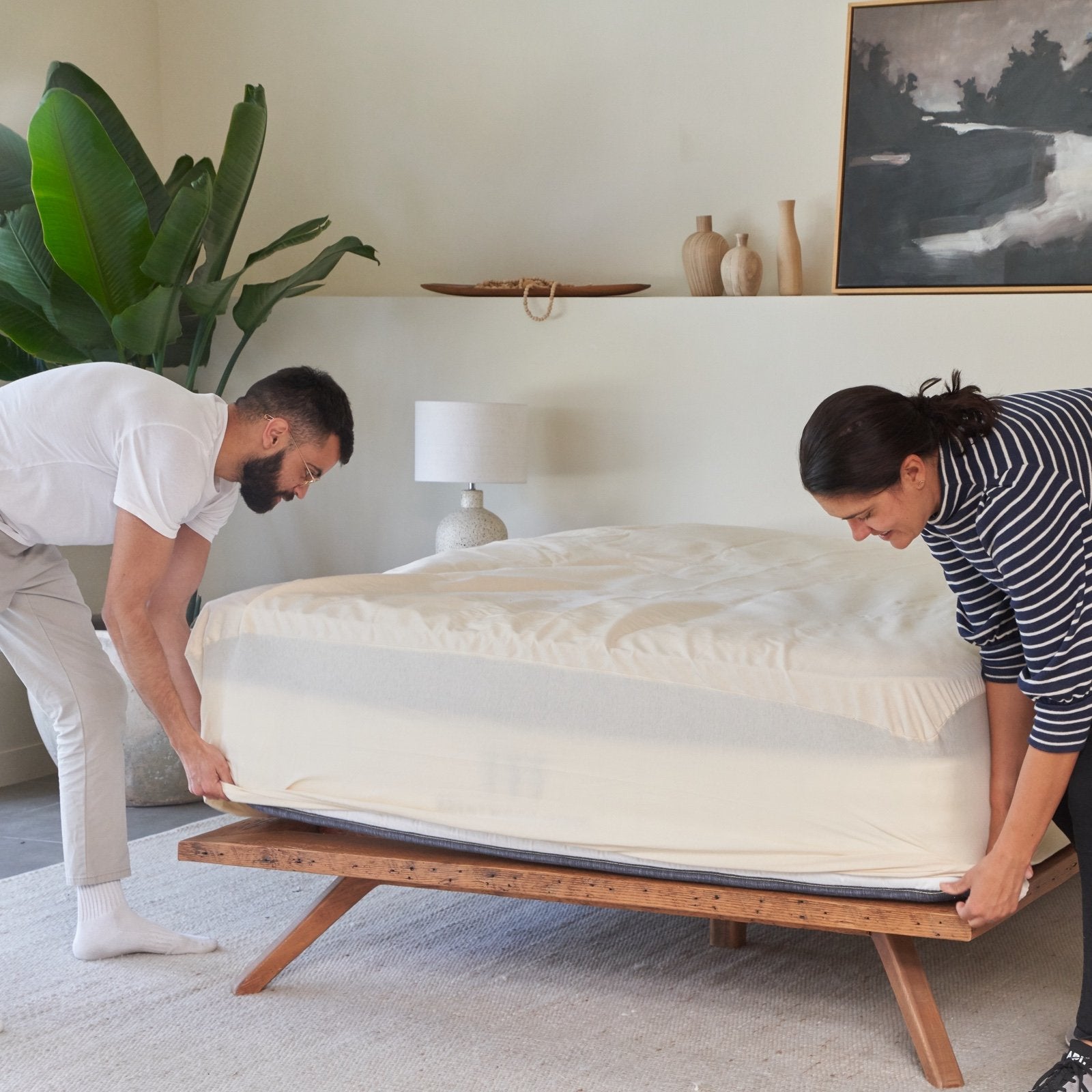
Waterproof mattress protectors offer a robust defense against bedwetting. Unlike disposable pads, these protectors are designed to be a permanent part of the bedding setup. They provide a moisture barrier that not only safeguards the mattress but also offers a degree of comfort and peace of mind that can be especially reassuring for both parents and individuals facing nocturnal enuresis.
Long-Term Solution: Advantages Over Pads
Waterproof mattress protectors present a long-term solution to bedwetting by offering durable, reusable protection. They are designed to endure hundreds of washes without losing their waterproof qualities, making them a more sustainable and cost-effective option in the long run. Additionally, they can be discreetly placed under sheets, maintaining the aesthetic of the bedroom without drawing attention to the bedwetting issue.
Most importantly, waterproof mattress protectors often come with additional features such as being hypoallergenic, which is ideal for those with sensitive skin. They can also be equipped with special technology to minimize noise and provide a comfortable sleeping surface that doesn’t feel like plastic or crinkle with movement.
Material Matters: Breathability and Hygiene
The materials used in waterproof mattress protectors are crucial for ensuring breathability and hygiene. Many modern protectors are made with a combination of cotton and a waterproof layer, which allows air to circulate while preventing moisture from seeping through. This helps to regulate temperature and reduce sweating, which can be a concern with non-breathable materials.
Protector Size and Fit: Securing Your Mattress
Choosing the right size and fit for a waterproof mattress protector is essential for maximum protection. A well-fitting protector will snugly cover the entire mattress, including the sides, and stay in place throughout the night. It’s important to measure the mattress accurately and select a protector that is designed for the specific bed size to prevent any gaps where moisture could penetrate.
Head-to-Head: Pads vs. Protectors
When comparing disposable pads and waterproof mattress protectors, several factors come into play. While pads may be the go-to for their simplicity, protectors offer a more comprehensive solution. They not only protect the mattress but can also shield the sheets and blankets, reducing overall laundry and keeping the bed in a more hygienic state.
Evaluating Durability and Maintenance
Durability and maintenance are significant when choosing between disposable pads and waterproof mattress protectors. Protectors are built to last and can be easily washed and dried, making maintenance straightforward. Disposable pads, while convenient, need to be replaced after each use, which can become cumbersome and less cost-effective over time.
Protection Under Pressure: Dealing with Heavy Wetting
For individuals who experience heavy wetting, it’s crucial to have a bedwetting solution that can withstand a significant amount of liquid. Waterproof mattress protectors are generally more reliable for these situations because they provide a sturdy barrier that won’t leak through to the mattress. Some protectors are even designed with extra absorbent layers to help manage larger volumes of liquid.
Environmental Considerations and Sustainability
Environmental impact is an important consideration for many families. Disposable pads contribute to landfill waste and can be environmentally unsustainable if used frequently. Waterproof mattress protectors are a more eco-friendly choice as they are reusable and do not require constant replacement, reducing the amount of waste generated from bedwetting products.
Moreover, some waterproof mattress protectors are made from organic or eco-conscious materials, offering an even greener option for those looking to minimize their environmental footprint.
Cost Analysis Over Time
Analyzing the cost over time is critical in the decision-making process. While disposable pads might seem like a smaller investment upfront, the recurring costs can quickly accumulate. On the other hand, a waterproof mattress protector, although more expensive initially, can be a one-time purchase that serves its purpose for years, making it a more cost-effective solution in the long run.
For example, if a disposable pad costs $0.50 and you use two per night, that adds up to $1 per day or $365 per year. In contrast, a quality waterproof mattress protector might cost $50 but could last several years, offering substantial savings over time.
Final Verdict on Bedwetting Protection
After considering all factors, it’s clear that both disposable pads and waterproof mattress protectors have their advantages and can be beneficial in different scenarios. The choice between the two ultimately depends on individual needs, preferences, and long-term goals for managing bedwetting.
Optimizing for Your Unique Situation
When deciding on bedwetting protection, it’s important to assess your unique situation. Consider factors such as the frequency of bedwetting, the individual’s age and mobility, sensitivity to materials, and your environmental values. By weighing these considerations, you can choose a solution that not only provides the best protection but also aligns with your family’s needs and lifestyle.
Remember, there is no one-size-fits-all answer to bedwetting protection. What works for one person may not work for another, and it’s okay to try different options or even use a combination of both disposable pads and waterproof mattress protectors to find what works best for you or your loved one.
Frequently Asked Questions (FAQ)
1. How often should disposable pads be changed?
Disposable pads should be changed immediately after they are wet to ensure skin health and prevent any odor. This typically means you will need to change them at least once per night, but possibly more if there are multiple incidents.
For some individuals, especially children, one pad per night may suffice, but it is always good to have extras on hand in case of a particularly troublesome night. Remember that leaving a wet pad for too long can lead to skin irritation or infections, so prompt changing is crucial.
2. Can waterproof mattress protectors hold up to washing and drying?
Yes, high-quality waterproof mattress protectors are designed to withstand frequent washing and drying. Most protectors can be machine washed and tumble dried on low heat, making them easy to clean and maintain.
However, it’s important to follow the manufacturer’s care instructions to avoid damaging the waterproof layer. Some protectors may require air drying or the use of a gentle detergent to preserve their integrity.
3. Are there hypoallergenic options available for sensitive skin?
Absolutely. Many waterproof mattress protectors come in hypoallergenic options that are ideal for those with sensitive skin or allergies. These protectors are typically made from materials that repel dust mites, pollen, and other allergens, providing a cleaner and healthier sleep environment.
Look for protectors labeled as hypoallergenic, and check the materials list for any potential irritants if you have known allergies or sensitivities.
4. How do I choose the right size mattress protector for my bed?
To choose the right size mattress protector, measure the length, width, and depth of your mattress. Protectors are usually labeled with standard bed sizes (e.g., twin, full, queen, king), but it’s important to ensure the depth of the protector can accommodate the height of your mattress, especially if you have a pillow-top or deep mattress.
Additionally, consider protectors with deep pockets or elasticized edges that ensure a snug fit, preventing the protector from slipping off during the night.
5. Is it cost-effective to use disposable pads for adult bedwetting?
While disposable pads may be convenient for adults dealing with bedwetting, they may not be the most cost-effective solution in the long run. The cost of pads can add up quickly, especially if multiple pads are needed each night.
Investing in a waterproof mattress protector might be more economical over time, as it can be washed and reused for years. It’s essential to calculate the ongoing cost of disposable pads compared to the one-time purchase of a protector to determine which option is more financially sustainable.
-
Consider the frequency of bedwetting when deciding between disposable pads and a mattress protector.
-
Factor in the environmental impact of disposable products versus reusable ones.
-
Assess the potential for skin irritation with disposable pads.
-
Take into account the long-term costs of continually purchasing disposable pads.
-
Remember that a combination of both pads and a protector might be necessary for some individuals.
Dealing with bedwetting can be challenging, but with the right products and strategies, it is manageable. Whether you opt for disposable pads or a waterproof mattress protector, the goal is to find a solution that provides comfort, ease, and peace of mind for both the individual and the caregivers involved.
In the end, the best approach may be a combination of both options. Using disposable pads for travel or occasional use, while relying on a waterproof mattress protector for everyday protection, can provide a balance of convenience and cost-effectiveness.
Remember, bedwetting is a common issue, and with the right support and products, you can protect your mattress and ensure a restful night’s sleep for everyone involved.