

When it comes to managing adult incontinence, the quality of your sleep and the longevity of your mattress matter immensely. It’s common to wonder whether solutions designed for children, such as waterproof mattress protectors for bedwetting, can offer the same level of protection for adults. Let’s dive into this topic and provide you with the confidence and information you need to make the best choices for your needs.
Key Takeaways:
- Waterproof mattress protectors can be effective for adult incontinence, not just for children’s bedwetting.
- Understanding the differences between waterproof, water repellant, and water resistant is key to choosing the right protection.
- Options like mattress protectors, pads, and encasements offer different levels of protection and convenience.
- Mattress protectors need to be cared for properly to maintain their protective qualities and hygiene standards.
- How to choose specific materials and designs, such as vinyl vs. membrane or fitted vs. encasement, that will work best for your unique situation.
Can You Use a Protector Designed for Bedwetting When You’re Managing Adult Incontinence?
The short answer is yes. While the terminology might differ, the goal of any waterproof mattress protector is to keep the mattress dry. The amount of liquid from adult incontinence can be more than what’s typically associated with bedwetting in children, but high-quality protectors are built to handle significant moisture levels.
Bedwetting vs. Adult Incontinence: Is There Really a Difference?
While bedwetting, or nocturnal enuresis, often refers to involuntary urination in children, adult incontinence can range from light leakage to full bladder release. The main difference lies in the volume and frequency, which means adults might need a more robust solution. Therefore, when shopping for a mattress protector, look for products that specify their absorbency levels and ensure they match your requirements.
Waterproof Mattress Protectors Are One of Your Best Tools
Waterproof mattress protectors are indispensable for those with adult incontinence. They reduce stress so you get a good night’s sleep and wake rested. Plus, they protect your mattress from moisture, which helps prevent the growth of bacteria and reduces odors. Remember, a dry mattress is a clean mattress, and that’s essential for anyone facing incontinence issues.
Types of Protection: Waterproof vs. Water Repellant vs. Water Resistant
Before selecting a mattress protector, it’s important to understand the difference between waterproof, water repellant, and water resistant:
- Waterproof means that the protector can withstand liquid exposure without any moisture penetrating through to the mattress.
- Water repellant products have a coating that repels liquid, but with enough pressure or over time, moisture can seep through.
- Water resistant protectors can handle small spills, but they’re not designed for full-blown accidents.
For adult incontinence, waterproof is the way to go. It’s the only option that provides full protection, ensuring that no liquid reaches your mattress.
Types of Waterproof Mattress Protectors: Protector vs. Pad vs. Encasement
Now, let’s break down the types of waterproof mattress protectors available:
- Protectors are like a fitted sheet that go between the mattress and your bottom, fitted sheet. Protectors cover 5 sides of the mattress. They typically have a thin layer that doesn’t alter the feel of your mattress but provides a waterproof surface.
- Pads are like a large square or rectangle of waterproof material that goes on top of your fitted sheet. They provide waterproof protection but only a partial area of the mattress, not the entire mattress. So, seepage can occur if you move around while you sleep.
- Encasements cover all 6 sides of the mattress, in other word the entire mattress. They block liquids, plus they can keep out moisture from humidity as well as pests like bed bugs or dust mites that can trigger allergies or asthma.
Choosing between these options depends on personal preference and specific needs. Here’s one example, if you move around a lot in your sleep, a waterproof mattress protector is better than a pad on its own. Here’s a second example, if you change your protection quite often then a mattress protector is better than an encasement, which can be difficult to remove and replace.
The Winning Combination: Mattress Protector + Pad
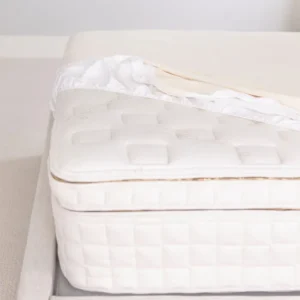

Another option that delivers the ultimate protection is to combine the mattress protector with a mattress pad.
Use the mattress protector as usual between your mattress and the bottom fitted sheet. Then position a mattress pad on top of the fitted sheet. You get extra waterproof protection. And you get a fast, easy clean-up because you won’t need to strip the whole bed. Instead of removing the sheets and mattress protector, you just dispose the pad in an airtight garbage bag and get right back to sleep.
How to Choose the Right Mattress Protector
Materials Matter: Vinyl vs. Membrane
The two most common materials for waterproof mattress protectors are vinyl and polyurethane membranes. Vinyl is often the more economical choice and is very effective at preventing liquids from reaching the mattress. However, it can be less breathable and make a crinkling sound. On the other hand, a polyurethane membrane offers a quieter and more breathable option, often combined with cotton for added comfort. Both are effective, but your personal comfort and noise sensitivity may lead you to prefer one over the other.
Design Details: Fitted vs. Encasement Protectors
Fitted protectors are similar to fitted sheets, with elastic edges that grip the corners of your mattress. They’re easy to put on and take off but don’t protect against insect infestations. Encasement protectors, meanwhile, zip around the mattress, blocking liquids and insects. They are more difficult to remove but offer the best protection against incontinence, allergens, and even bed bugs.
Most importantly, consider the ease of use. If you need to change your protector frequently, a fitted option might be more practical. However, if you’re looking for the utmost protection, an encasement is the better choice.
Sizing Up: Finding the Perfect Fit for Your Bed
Size is critical when it comes to mattress protectors. A protector that’s too small won’t offer adequate coverage, while one that’s too large can bunch up and be uncomfortable. Make sure to measure your mattress and check the dimensions of the protector before purchasing. Pay attention to the depth of your mattress as well, as some protectors may not stretch to accommodate deeper models.
Maintenance and Hygiene: Caring for Your Protector
Once you’ve chosen and purchased your waterproof mattress protector, it’s essential to maintain it properly. Good hygiene and care not only extend the life of your protector but also ensure that it remains effective at guarding against moisture and odors.
What Happens to Your Mattress When It Gets Wet?
Several issues arise when a mattress gets wet. The moisture can soak deep into the mattress fibers, leading to the growth of mold and bacteria, which are not only unhygienic but can also cause odors and deterioration of the mattress materials. A waterproof mattress protector prevents these problems by keeping the mattress dry and clean.
Managing Accidents: A Prep Kit Makes Clean-up Fast and Easy in the Wee Hours
When an accident occurs, being prepared can make all the difference. Have a clean-up kit ready with spare sheets, a waterproof mattress protector, and a gentle cleaning solution. This allows for a quick change, minimizing the time spent dealing with the incident and maximizing your sleep.
Washing and Drying Best Practices
Follow the manufacturer’s instructions for washing and drying your mattress protector. Generally, it’s best to wash in warm water with a mild detergent and tumble dry on a low setting. Avoid using bleach or fabric softeners, as they can break down the waterproofing materials and reduce the effectiveness of the protector. Check the manufacturers label to see if a non-bleach alternative works for that particular brand.
Try these tips to extend the life of your waterproof mattress protector:
- Avoid drying on high heat or ironing, as these high temperatures can damage the waterproof layer.
- Avoid dry cleaning, as the chemicals can break down the waterproof barrier.
- Rotate the protector every time you change your sheets to ensure even wear throughout.
- Keep sharp objects, including your cat’s claws and your puppy’s paws, away from the bed to prevent tears or punctures in the protector.
By following these guidelines, you can maintain a clean, dry, and comfortable sleeping environment, despite the challenges of adult incontinence.
Frequently Asked Questions (FAQ)
1. Are waterproof mattress protectors for bedwetting as effective when it comes to adult incontinence?
Yes, waterproof mattress protectors initially designed for children’s bedwetting are equally effective for adult incontinence. The main factor to consider is the volume of liquid they can hold.
2. Can waterproof mattress protectors for bedwetting completely prevent mattress damage?
When used correctly, waterproof mattress protectors can prevent mattress damage by creating a barrier that blocks liquids from penetrating. It’s important to choose a high-quality protector and to maintain it properly to ensure it continues to provide the best protection.
3. Are there breathable options for people who get hot and sweat when they sleep?
Indeed, there are breathable waterproof mattress protectors available that allow air to circulate while still preventing liquids from reaching the mattress. Look for protectors made with materials like bamboo, cotton with a polyurethane backing, or other specially designed fabrics that promote airflow.
4. How often do I need to wash the mattress protector?
It’s recommended to wash your mattress protector as often as you wash your sheets, which is typically every 1-2 weeks. However, if an incontinence-related accident occurs, wash the protector immediately to prevent odors and maintain hygiene.
5. Are mattress protectors suitable for all types of beds, like adjustable or hospital beds?
Most mattress protectors are designed to fit a variety of bed types, including adjustable and hospital beds. Always check the product specifications for sizing and flexibility to ensure a good fit for your particular bed.