
Key Takeaways:
- Marshmallow root is a natural supplement known for supporting feline urinary health.
- It works by forming a protective layer on the lining of the digestive and urinary tracts.
- It can reduce peeing accidents and other urinary tract issues.
- Optimal dosing is crucial and should be tailored to each individual cat’s needs.
- While generally safe and well tolerated, marshmallow root can interact with veterinary medications, and you’ll need to monitor your cat for any side effects.
- Consider investing in a waterproof mattress protector for bedwetting while you’re treating your cat’s urinary condition. It will protect your mattress and make cleanup easy when there’s an accident.
Marshmallow Root: Benefits for Feline Health
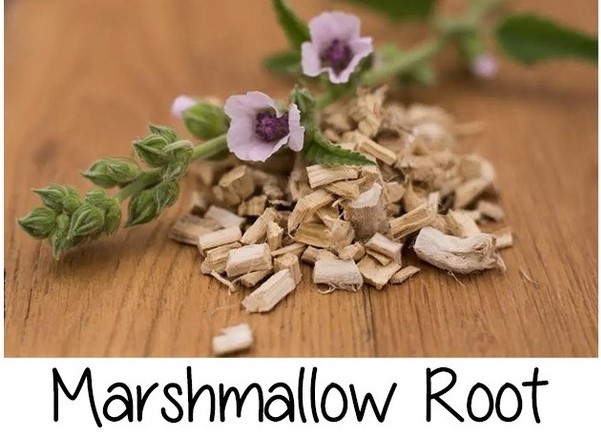
Marshmallow root isn’t just a treat for toasting over a campfire. It’s also a plant with a rich history as a gentle, effective herbal remedy. It’s known for its high mucilage content—a gelatinous substance that can soothe and protect irritated tissues. This can be particularly beneficial for cats with digestive or urinary tract issues. The root’s demulcent properties help to reduce irritation and inflammation, making it a valuable support for feline health. Research shows it can fight bacterial infections, repair gut lining, reduce digestive issues, reduce water retention, and act as an antioxidant.
How Marshmallow Root Works
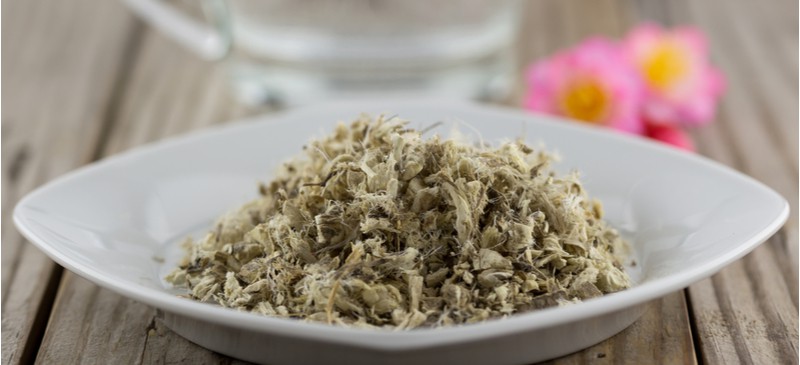
The magic of marshmallow root lies in its slippery, mucilaginous texture. When mixed with water, it forms a slick gel that coats the insides of your cat’s body. This creates a soothing barrier over any inflamed or irritated tissue it encounters. Think of it as a natural band-aid for your cat’s internal pathways, providing relief and protection where it’s most needed.
But it’s not just about creating a physical barrier. Marshmallow root also has anti-inflammatory properties, which can help reduce swelling and pain associated with urinary tract issues. This can be a game-changer for cats who are prone to such discomforts.
Positive Effects on Your Cat’s Urinary Tract
Urinary tract health is a common concern among cat owners. Issues can range from infections to incontinence, and marshmallow root may offer a helping hand. By coating the urinary tract lining, it can help soothe irritation caused by crystals or infections, potentially reducing the frequency of bathroom accidents and discomfort.
Common Causes of Feline Incontinence

Before diving into the use of marshmallow root, it’s essential to understand what might be causing your cat’s incontinence. Common culprits include urinary tract infections, bladder stones, or even stress. Age can also play a role, as older cats may lose some muscle tone in their bladders. Knowing the cause is crucial for choosing the most effective treatment plan.
Therefore, always consult with a veterinarian to get to the root of the problem. They can determine if marshmallow root is an appropriate part of your cat’s health regimen.
Optimal Dosage of Marshmallow Root for Cats
Dosing Guidelines for Pets
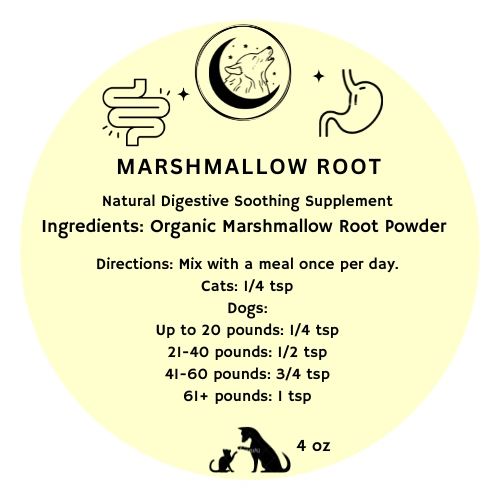
Getting the dosage right is crucial when using marshmallow root for your cat. A common starting point is 1/4 teaspoon of the powdered root mixed into their food once daily. If you’re using a tincture, it’s typically one drop per pound of body weight, added to their water or food. However, this can vary based on the concentration of the product and the specific health condition being addressed. Monitor your cat’s reaction to the herb and consult with your vet to adjust the dosage as needed.
How to Administer Marshmallow Root
There are several options. You can sprinkle the powdered form over their food, ensuring it’s well mixed to prevent them from inhaling the powder. If you’re using a tincture, mix it into their water bowl or apply it directly into their mouth using a dropper. Some pet owners prefer to brew a tea from the root and add it to the cat’s food or water. Remember, consistency is vital, so choose a method that works best for you and your pet and stick with it.
Marshmallow Root for Cats: Safe Use and Precautions
While marshmallow root is generally safe for cats, there are some precautions to keep in mind. Always introduce any new supplement gradually to monitor for any adverse reactions. If your cat is pregnant, nursing, or has a pre-existing medical condition, it’s best to consult with a vet before starting any new herbal treatment. Also, ensure the marshmallow root does not contain any additives or sweeteners that could be harmful to your pet.
Potential Side Effects from Long-term Use
Although rare, some cats may experience side effects from long-term use of marshmallow root. These could include an upset stomach, diarrhea, or a drop in blood sugar levels. If you notice any of these symptoms or any other changes in your cat’s behavior or health, discontinue use and consult your veterinarian right away.
Possible Interactions with Foods and Medications
Marshmallow root can interact with certain medications and foods. Because it coats the lining of the digestive tract, it may affect the absorption of other drugs. If your cat is on medication, especially for diabetes or other chronic conditions, it’s essential to discuss the use of marshmallow root with your veterinarian to avoid any potential interactions.
Additionally, the high fiber content in marshmallow root could interact with your cat’s diet. If your cat is on a specific dietary plan, especially one that’s low in fiber, adding marshmallow root could disrupt their digestive process. Always consider the entire diet when introducing new supplements.
Where to Find High-Quality Marshmallow Root Supplements for Cats
Finding high-quality marshmallow root is paramount for the safety and health of your cat. Look for products that are organic and free from pesticides and additives. Reputable brands that specialize in pet health or natural remedies are typically a good choice. You can find marshmallow root at health food stores, some pet stores, or through online retailers that focus on natural pet care.
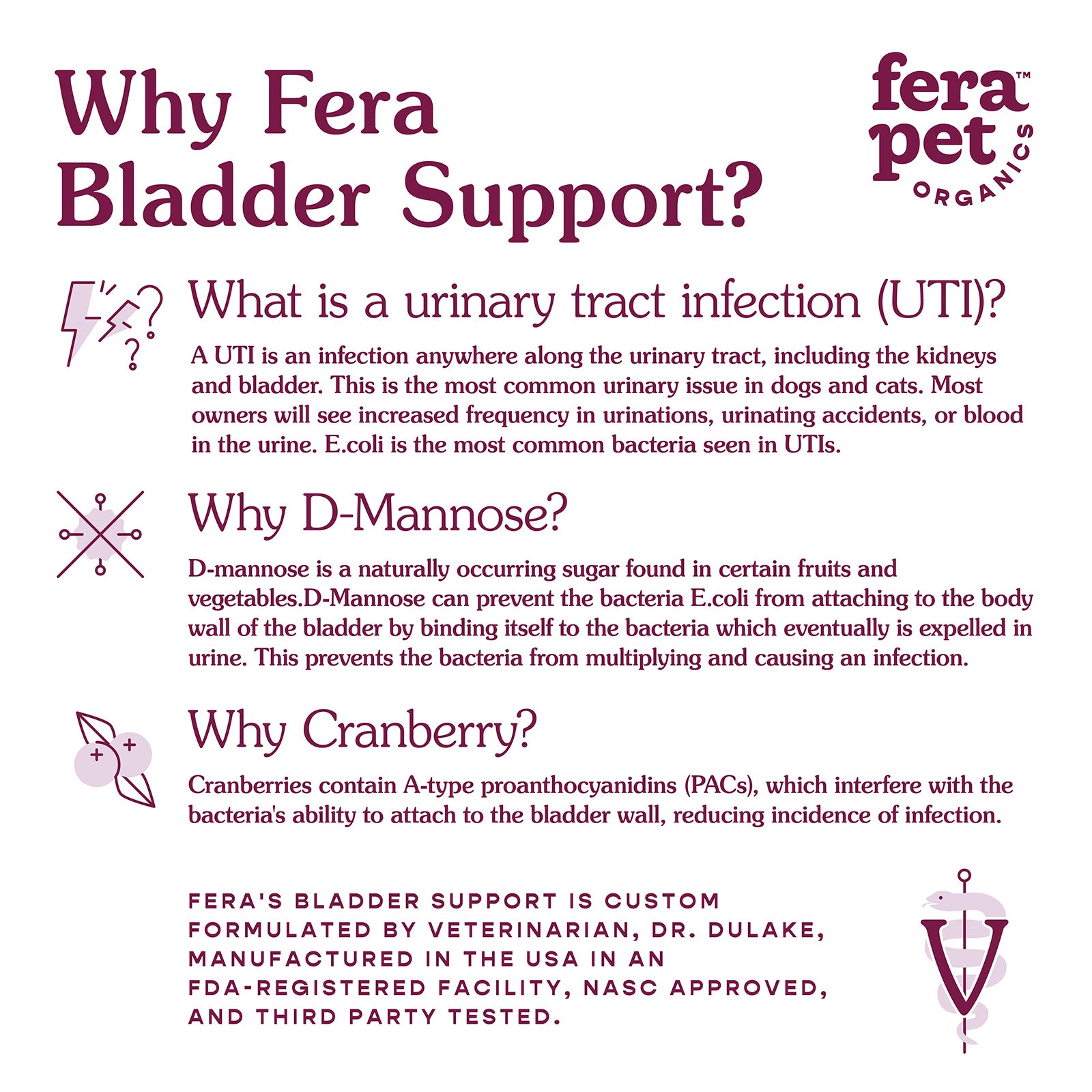
One of our favorites is FERA ORGANICS Bladder Support with marshmallow root plus cranberry, d-mannose, astragalus root, and stinging nettle. This product gets a 4.8-star rating from pet parents. Their supplements are formulated by a veterinarian. The ingredients are all organic and the proprietary blend of ingredients was created to promote a healthy bladder and kidney while minimizing the frequency of urinary tract infections (UTIs). Their wholistic approach supports normal urine pH, enhances your cat’s immune system, and supports their kidney function.

Frequently Asked Questions (FAQ)
1. Is marshmallow root safe for cats?
Yes, marshmallow root is generally safe for cats when used appropriately. The key is to ensure proper dosing and to consult with a veterinarian, particularly if your cat has health issues or is on medication.
2. Will marshmallow root help with my cat’s bedwetting?
Marshmallow root may provide relief for cats with bedwetting issues due to its soothing effect on the urinary tract. However, it’s crucial to address the underlying cause with a veterinarian to ensure the most effective treatment.
Consider investing in a waterproof mattress protector for bedwetting while you’re treating your cat’s urinary condition. It will protect your mattress and make cleanup easy when there’s an accident.
3. How long does it take for marshmallow root to work?
The response time to marshmallow root can vary between cats. Some may show improvement within a few days, while others might require a longer period of consistent use. Always follow the recommended dosage and keep in touch with your vet regarding your cat’s progress.
Sources
- Blumenthal, M., Goldberg, A., & Brinckmann, J. (Eds.). (2000). Herbal Medicine: Expanded Commission E Monographs. Integrative Medicine Communications.
- Mills, D., & Bryant, D. (2016). Veterinary Herbal Medicine. Elsevier Health Sciences.
- Grieve, M. (1971). A Modern Herbal. Dover Publications.
- Hoffmann, D. (2003). Medical Herbalism: The Science and Practice of Herbal Medicine. Inner Traditions/Bear.
- Bone, K., & Mills, S. (2013). Principles and Practice of Phytotherapy: Modern Herbal Medicine. Churchill Livingstone.
- World Health Organization. (1999). WHO Monographs on Selected Medicinal Plants: Volume 1. World Health Organization.
- Chevallier, A. (2016). Encyclopedia of Herbal Medicine. DK Publishing.
- Natural Medicines Therapeutic Research. (2022). Marshmallow. Retrieved from https://naturalmedicines.therapeuticresearch.com/
- European Medicines Agency. (2011). Assessment Report on Althaea Officinalis L. and/or Althaea Officinalis L. var. Officinalis (Marshmallow Root). Retrieved from https://www.ema.europa.eu/en/documents/herbal-report/final-assessment-report-althaea-officinalis-l-althaea-officinalis-l-var-officinalis-marshmallow-root_en.pdf