Key Takeaways:
- Yes, some waterproof mattress protectors contain harmful chemicals that can be particularly risky for children. However, there are safer alternatives.
- Chemicals such as vinyl/PVC, phthalates, and certain fire retardants are known to be toxic and should be avoided.
- Children are more vulnerable to these chemicals due to their developing bodies and greater exposure relative to their size.
- Natural and organic waterproof mattress protectors are available and provide a safer alternative for children.
- It’s crucial to understand labels and certifications to ensure the safety of the mattress protectors you choose.
Understanding Child Safety Related to Waterproof Mattress Protectors for Bedwetting
Bedwetting is a common part of childhood that can be stressful for both parents and kids. Waterproof mattress protectors are a great solution when it comes to keeping the bed dry and maintaining hygiene. However, not all mattress protectors are created equal, especially when it comes to the health and safety of children and pets. Let’s dive into what makes some of these protectors potentially harmful and what are your safe options.
Why Toxic Substances Are More Harmful to Children and Pets Than Adults
Children’s brains and bodies are still developing, which makes them more susceptible to the effects of toxic chemicals. Their skin is more permeable, their immune systems are not fully mature, and they have a higher metabolic rate, meaning they breathe in more air and more potential toxins. And let’s not forget our furry friends – pets also spend a lot of time on our beds and can be affected by these chemicals.
How Does a Toxic Substance Deep Inside a Mattress Get into Your Physical Body?
It might seem like a stretch to think that something as seemingly inert as a mattress or your bed sheets could impact health. But the reality is, chemicals from these products can be released into the air through a process known as off-gassing. These airborne chemicals are then inhaled or absorbed through the skin.
In addition, these chemicals can be activated by moisture from sweat while we sleep. Machine washing on laundry day can release chemicals from the fabrics as well. And chemicals, like preservatives in liquid laundry detergents, can penetrate fabrics and be absorbed into your skin.
More About Off-Gassing
Off-gassing is when volatile organic compounds (VOCs) and other chemicals are emitted as gases from certain solids or liquids. In the case of mattress protectors, these can include the plastics and fire retardants used in their manufacture. The smell of a new car or freshly painted room? That’s off-gassing. And in the intimate environment of a bed where children spend a significant amount of time, it’s particularly concerning.
Are There Any Waterproof Mattress Protectors for Bedwetting that Are Safe for Children and Pets?
Fortunately, the answer is yes. There are waterproof mattress protectors on the market that do not use toxic chemicals and are safe for children and pets. It’s all about knowing what to look for and understanding the materials and certifications that can guide you to make a safe choice.
How to Choose a Waterproof Mattress Protector That’s Safe for Children and Pets
Chemicals to Watch Out For
When it comes to waterproof mattress protectors, several chemicals could pose a risk to your child’s health:
- Vinyl/PVC: Often used for its waterproof properties, but it’s a known source of phthalates and VOCs.
- VOCs or volatile organic compounds are chemicals that vaporize at room temperature and are released into our air. They are found in thousands of products that we use every day – cleaning products, air fresheners, cosmetics and personal care products, paints, markers, glues and much more. They cause eye, nose, and throat irritation as well as cancer. One VOC to watch out for is formaldehyde, which is sometimes used to adhere waterproof materials to cotton in waterproof mattress protectors. Double check mattress protectors that say you can wash and dry on high heat settings.
- Phthalates: These are used to soften plastics but are linked to endocrine disruption and other health issues.
- Fire retardants: Some chemical fire retardants are associated with negative health effects, including cancer and hormone disruption.
These chemicals are not just bad for the environment; they’re bad for our health. And when we’re talking about protecting the health and well-being of our children, it’s not enough to simply assume products on the market are safe.
Toxic Materials in Mattresses & Mattress Protectors
It’s not just the obvious plastic outer layer of some mattress protectors you need to be wary of. The inner layers and the materials used to bind them can also contain harmful chemicals. Here’s a quick rundown of materials that might be in a mattress protector:
- Polyurethane foam: Can emit VOCs and is found in some “waterproof” layers.
- Formaldehyde: Used in adhesives and has been linked to asthma and allergies.
- Antimony: A common fire retardant that has potential health risks.
By understanding what materials to avoid, you can make more informed decisions about the products you bring into your home and, most importantly, into your child’s sleep environment.
Toxic Chemicals in Bedding and Sleepwear
It’s not just mattress protectors that can contain harmful chemicals. Bedding and children’s sleepwear can also be treated with flame retardants and other chemicals to make them waterproof or resistant to wrinkles. Always check the labels and look for untreated, natural fabrics wherever possible.
Remember, your child spends a significant amount of time sleeping and playing on their bed, so it’s essential to create a safe and healthy environment. In the next section, we’ll explore safe waterproofing materials and natural alternatives to keep your child dry and healthy.
Waterproofing Materials that Are Still Safe for Your Kids
While it’s clear that certain chemicals in waterproof mattress protectors can be hazardous, there are safer alternatives. Look for materials like polyethylene or food-grade, non-toxic plastics which provide waterproof protection without the risk. These materials are less likely to off-gas and are generally considered safe for use around children and pets.
Another safe option is to choose mattress protectors made with a layer of wool. Wool is naturally water-resistant and has the added benefit of being breathable, which prevents the buildup of moisture and mold. It’s a sustainable choice that’s kind to the environment and your child’s health.
Natural Alternatives that Are Safe for Children and Pets
When shopping for mattress protectors, natural alternatives are often the safest. These include organic cotton, bamboo, and eucalyptus fibers, which are not only safe but also soft and comfortable for your child. They may not be 100% waterproof on their own, but when combined with safe waterproofing layers, they offer an outstanding non-toxic solution.
Which Safe Choices Provide 100% Waterproof Protection
For complete waterproof protection without the toxic side effects, consider protectors that use a thin layer of food-grade polyethylene. This plastic is the same type used in the food industry and is considered a safer option. It’s also important to ensure that the entire product, not just the waterproof layer, is free from harmful chemicals.
Natural vs. Organic Waterproof Mattress Protectors
There’s a difference between “natural” and “organic” when it comes to mattress protectors. Natural means the materials come from plants or animals and are less processed. Organic, on the other hand, refers to how the material was grown or raised – without synthetic pesticides or fertilizers. For the highest standard of health and environmental sustainability, look for mattress protectors that are certified organic.
Be aware, though, that just because something is marketed as ‘natural’ doesn’t guarantee it’s free from toxic chemicals. The term can be used loosely, so it’s essential to read the fine print and look for certifications that back up the claims.
Hypoallergenic Waterproof Mattress Protectors
For children with allergies, a hypoallergenic mattress protector is essential. These protectors are designed to prevent allergens such as dust mites, pet dander, and mold from penetrating the mattress. When choosing a hypoallergenic protector, make sure it’s also free from chemical treatments that can aggravate allergies.
Many hypoallergenic mattress protectors are also waterproof, but again, ensure the waterproofing material is non-toxic. A combination of hypoallergenic and non-toxic features will provide the best environment for your child’s health.
Decoding Labels and Certifications
Labels and certifications can be your best friends when navigating the world of safe mattress protectors. Look for labels like GOTS (Global Organic Textile Standard), which ensures the entire manufacturing process is organic.

Another label to look for is GREENGUARD Gold Certification, which guarantees low chemical emissions.
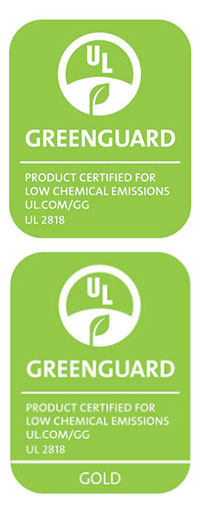
These certifications are good tools that will help you make informed choices about your family’s health.
Trusted Brands and Products
There are several trusted brands that prioritize safety and environmental responsibility. Naturepedic, for instance, offers a range of organic mattress protectors that are free from harmful chemicals. Another brand, My Green Mattress, provides protectors made from organic cotton and wool that naturally repel moisture.
Doing a bit of research and reading reviews can help you find the best products for your needs. Remember, investing in a safe mattress protector is an investment in your child’s health.
Maintaining a Healthy Sleep Environment
Ensuring a safe sleep environment doesn’t stop at choosing the right mattress protector. Regular cleaning, adequate ventilation, and monitoring the room’s humidity levels are all part of maintaining a healthy bedroom for your child. Let’s take a closer look at how you can keep your child’s sleep space free from toxic chemicals.
Getting Rid of Toxic Chemicals in Your Bedroom
Detecting toxic chemicals can be challenging because they’re often invisible and odorless. However, there are steps you can take to minimize their presence:
- Choose furniture and decor made from natural materials and with non-toxic finishes.
- Use an air purifier with a HEPA filter to capture airborne particles and VOCs.
- Regularly wash bedding in hot water to kill dust mites and remove allergens.
- Keep the room well-ventilated to disperse any off-gassed chemicals.
By taking these steps, you’ll create a safer and healthier environment that will benefit not just your child, but the whole family.
Advocating for Safer Products
As parents, we’re not just caretakers; we’re advocates for our children’s health and well-being. The choices we make in the marketplace can drive change, pushing manufacturers to create safer products. By educating ourselves and making informed decisions, we can collectively demand better standards and transparency in the products we bring into our homes.
The Role of Parents in the Marketplace
Every purchase we make is a vote for the kind of world we want our children to grow up in. When we choose non-toxic, eco-friendly products, we’re telling companies that there’s a market for these goods. We’re also setting an example for our kids about the importance of health and the environment. It’s about making conscious choices that align with our values and the future we envision for our children.
Campaigns and Organizations Supporting Non-Toxic Living
There are many organizations and campaigns out there that are championing the cause for safer, non-toxic living. Groups like the Environmental Working Group (EWG), Made Safe, and the Campaign for Safe Cosmetics work tirelessly to research, educate, and advocate for healthier products. Supporting these organizations, whether through donations, volunteering, or simply spreading the word, can help amplify the message and create a bigger impact.
Frequently Asked Questions (FAQ)
1. Are natural materials like cotton and wool as waterproof as plastics and vinyl?
Natural materials such as cotton and wool are not inherently waterproof, but they can be treated to have water-resistant properties. Wool, for instance, can naturally repel some moisture, and when layered appropriately, can offer sufficient protection against bedwetting without the need for plastics or vinyl.
2. What’s the difference between a mattress protector and a mattress pad? Can I use both at the same time to get 100% waterproofing, instead of using plastics or vinyl?
A mattress protector is like a fitted bottom sheet that covers 5 sides of the mattress. Choose one with a safe waterproof layer like food-grade polyethylene to get 100% waterproof protection. A mattress pad is a square or rectangular sheet of material that’s 100% waterproof within the limits of the pad. It sits on top of the sheets but doesn’t fully cover the mattress. You can use both together to make clean-ups fast and easy. Just remove the pad and dispose it in an airtight garbage bag. No need to strip the sheets.
3. How do I know if a mattress protector has toxic chemicals?
To determine if a mattress protector contains toxic chemicals, check the product label for materials and any certifications it may have. Certifications such as GOTS or GREENGUARD Gold are reliable indicators of a product’s safety. If in doubt, reach out to the manufacturer for detailed information about the materials and chemicals used in their product.
For example, a parent might find a label that reads “Made with organic cotton.” While this sounds promising, it doesn’t guarantee the entire product is free from harmful chemicals. It’s essential to dig deeper and confirm that all components meet safety standards.
4. If the label says “natural” or “organic” does that mean it’s 100% safe for my child?
Not necessarily. While “organic” is a regulated term that usually indicates a product is made without synthetic pesticides and fertilizers, “natural” is not a regulated term and can be misleading. Always look for certifications and conduct your own research to ensure a product is genuinely safe for your child.
In conclusion, choosing the right waterproof mattress protector for your child involves more than just finding something that keeps the bed dry. It’s about ensuring their health and safety by avoiding products with toxic chemicals. By being informed, vigilant, and proactive in our choices, we can protect our children from unnecessary exposure to harmful substances and advocate for a healthier future.