

Key Takeaways:
- Bladder leakage is fairly common after many surgeries, lasting from a few days to several months.
- It can negatively impact your quality of life, both physically and emotionally, at a time when your body is already working hard to heal from a physical trauma.
- Talk to your doctor before the surgery about proactive measures you can take to address any symptoms, so you can focus on your recovery.
Causes of Bladder Leaks After Surgery

Bladder leaks after surgery, also known as postoperative urinary incontinence (POUI), can be caused by a variety of factors. A little preparation with your healthcare provider prior to surgery will help you manage the condition after surgery. Some of the most common causes include:
- Nerve Damage: Surgical interventions or anesthesia administration can inadvertently damage nerves controlling bladder function.
- Pelvic Floor Weakness: Weak pelvic floor muscles, exacerbated by surgical trauma, contribute significantly to bladder control issues.
- Surgical Trauma: Direct trauma to the bladder or urethra during surgery may disrupt normal urinary function.
- Medications and Complications: Certain medications and postoperative complications like urinary tract infections can trigger bladder leaks.
- Lifestyle Factors: Factors such as constipation, dehydration, and the consumption of bladder irritants may exacerbate postoperative urinary incontinence. Salty foods, spicy foods, caffeine, alcohol, and citrus juices are all known to irritate your bladder.
Symptoms of Bladder Leaks After Surgery

Incontinence after surgery can be a challenging complication with both physical and emotional impacts. POUI symptoms can differ from person to person, but common symptoms include:
- Urine Leaks: Involuntary leakage of urine, particularly during physical exertion or sudden movements like coughing or sneezing. Any action that puts pressure on the lower abdomen.
- Urinary Urgency: Sudden and compelling urges to urinate, sometimes resulting in accidental leaks.
- Nocturia: Frequent waking at night to urinate disrupts sleep patterns.
- Urinary Frequency: Increased frequency of urination, often accompanied by an urgent need to relieve the bladder.
Treatments for Bladder Leaks After Surgery
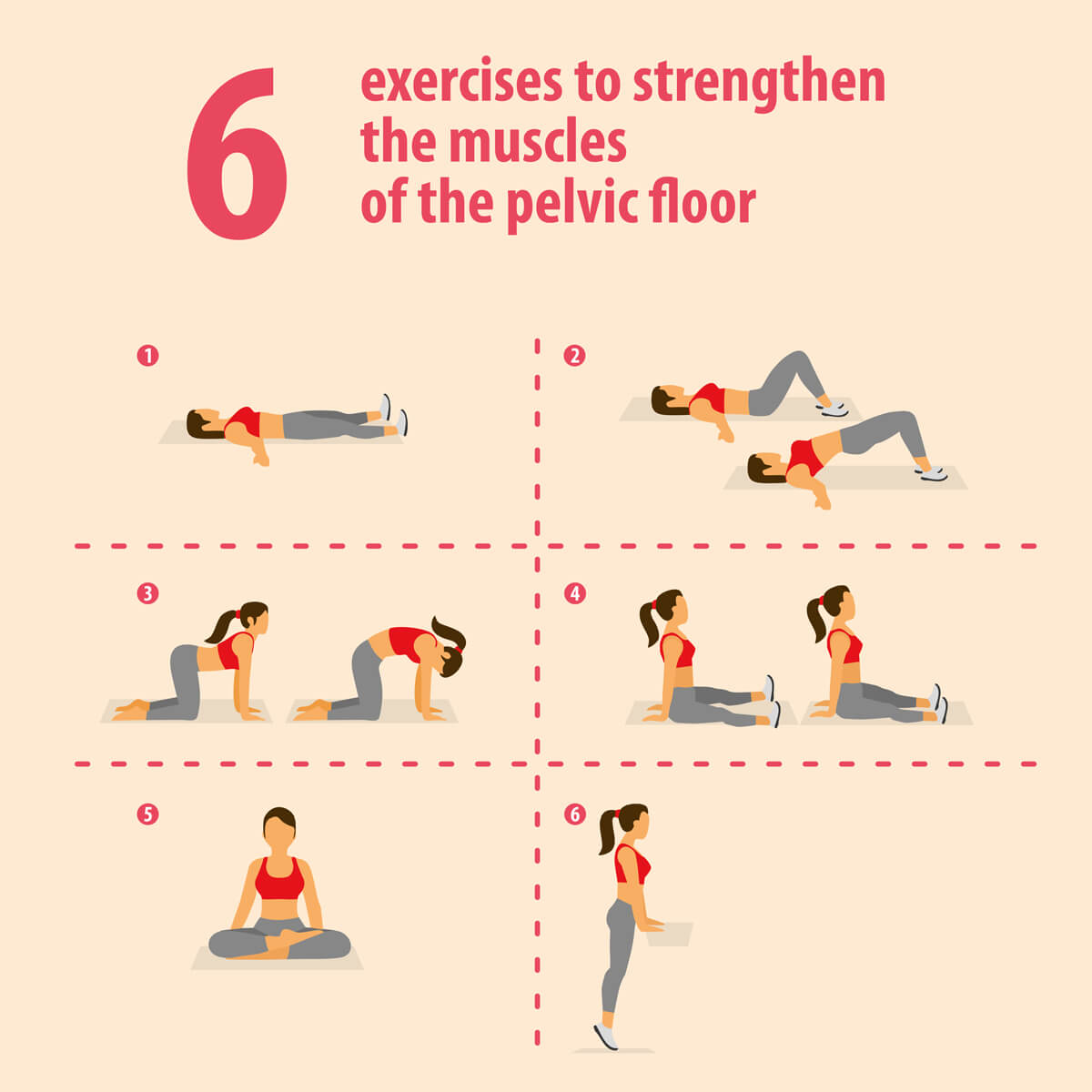

You’ll want to tailor a post-operative management plan with your healthcare provider to ensure a smooth recovery. These are some of the approaches to discuss before your surgery:
- Pelvic Floor Exercises: Regular practice of pelvic floor muscle exercises, such as Kegels for men or Kegels for women, strengthens pelvic floor support and enhances bladder control.
- Natural Supplements: Your doctor can recommend well researched natural supplements that have been shown to relieve bladder symptoms.
- Prescription Medications: Your doctor can prescription medications, including anticholinergics and alpha-adrenergic agonists, that are designed to relax the bladder muscles and alleviate urinary incontinence symptoms.
- Bladder Training: Structured bladder training techniques gradually increase bladder capacity and improve control over urination.
- Surgical Interventions: Surgical options may be considered in cases where underlying anatomical issues require correction, such as bladder or urethral repair.
- Lifestyle Modifications: Adopting healthy lifestyle habits, including adequate hydration, dietary adjustments, and avoiding bladder irritants, can mitigate bladder leak severity.
How to Prevent Post-Operative Urinary Incontinence

An ounce of prevention is worth a pound of cure, especially when your body wants to focus on recovering from a surgery. Here are some proactive measures that can minimize post-surgical bladder leaks:
- Pre-operative Preparation: Strengthen your pelvic floor muscles using pre-operative exercises like Kegels starting at least a few weeks before your surgery.
- Optimal Hydration: Drink plenty of fluids to support bladder health and function. This may sound counter intuitive; but hydrated bladder cells improve overall bladder health, and a strong, healthy bladder means fewer wetting accidents.
- Management of Underlying Conditions: Address any pre-existing conditions like urinary tract infections and constipation prior to your surgery.
- Lifestyle Choices: Limit consumption of bladder irritants like caffeinated drinks, carbonated drinks, alcoholic drinks, citrus fruits, salty foods, and spicey foods.
- Open Communication: Talk to your doctor before the surgery to address any concerns and create a postoperative care plan.
Conclusion
Bladder leaks after surgery can create a significant challenge, which impacts your physical and emotional well-being at a time when your body is working hard to recover from a traumatic event. It’s important to discuss the causes, symptoms and treatments with your doctor prior to surgery, so that you’re prepared to navigate this condition with confidence. We hope these proactive tips and tools will enhance your post-surgery recovery.
Sources
- Abrams, P., Cardozo, L., Fall, M., Griffiths, D., Rosier, P., Ulmsten, U., … & Wein, A. (2002). The standardisation of terminology of lower urinary tract function: report from the Standardisation Sub-committee of the International Continence Society. Neurourology and Urodynamics, 21(2), 167-178.
- Hunskaar, S., & Lose, G. (2004). Synergy between clinical and basic research leads to an understanding of the pathophysiology of urinary incontinence. Scandinavian journal of urology and nephrology. Supplementum, (215), 9-13.
- Markland, A. D., Goode, P. S., & Burgio, K. L. (2010). Incidence and risk factors for fecal incontinence in black and white older adults: a population-based study. Journal of the American Geriatrics Society, 58(7), 1341-1346.
- Siddiqui, N. Y., Wu, J. M., Amundsen, C. L., & Myers, E. R. (2014). Systematic review of outcomes following surgical management of stress urinary incontinence in women with detrusor overactivity. Female pelvic medicine & reconstructive surgery, 20(1), 29-36.
- Tibaek, S., Gard, G., Dehlendorff, C., & Jensen, R. (2016). Pelvic floor muscle training is effective in women with urinary incontinence after stroke: a randomised, controlled and blinded study. Neurourology and Urodynamics, 35(6), 714-720.
- Wagg, A., Cardozo, L., Chapple, C., De Ridder, D., Kelleher, C., Kirby, M., … & Van Kerrebroeck, P. (2017). Overactive bladder syndrome in older people. BJU international, 119(1), 22-29.

Leave a Reply