

Key Takeaways:
- Polyethylene (PE) is a safe, non-toxic plastic that’s used to create products like food containers and waterproof mattress protectors for bedwetting.
- A polyethylene mattress protector ensures a waterproof barrier without harmful chemicals.
- Mattress protectors made from food safe polyethylene, derived from plant-based ingredients like non-GMO corn, are safe, biodegradable, and eco-friendly.
Why Choose Polyethylene for Your Mattress Protector
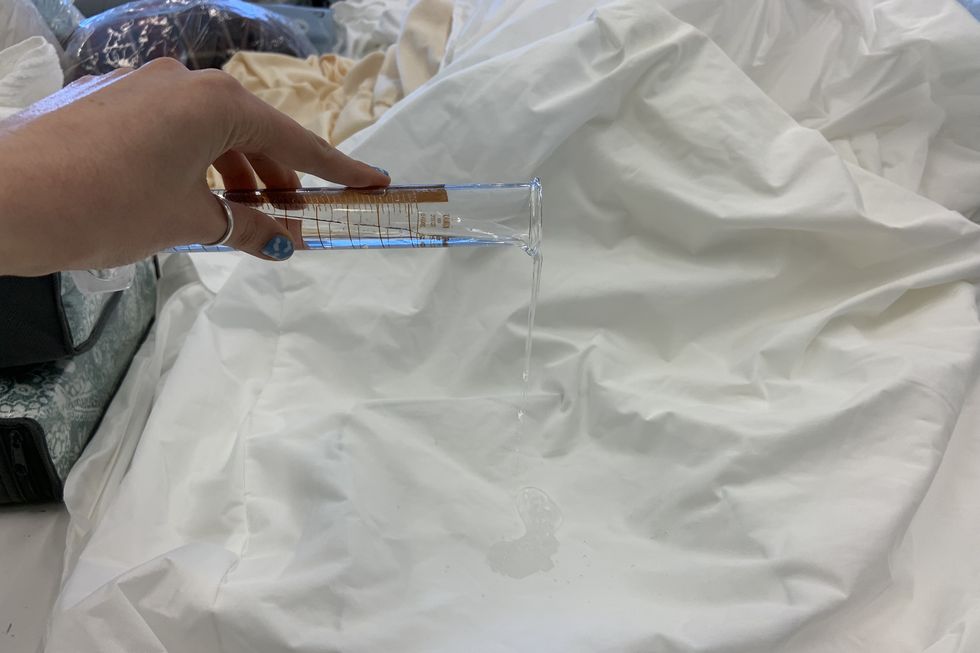
Polyethylene is waterproof, so it’s the ideal material for a waterproof mattress protector cover. It keeps your mattress dry and protects it from bacteria, mold, mildew, and urine smells caused by wetting accidents. It’s lighter and non-toxic compared to older waterproofing materials like vinyl plastic. And it’s breathable and cooling.
Basically, it checks all the boxes for performance, comfort, and safety.
Is Polyethylene Safe?
Polyethylene is widely regarded as one of the safest plastics available. It’s often used for cosmetics and food containers. Another benefit of polyethylene is that it does not “off gas”. Meaning it won’t release harmful chemicals into the air that your family breathes all night, compared to other plastics and flame retardants categorized as volatile organic compounds (VOCs).
According to US Regulatory Authorities, “…polyethylene has been reviewed extensively and determined to be non-hazardous by normal routes of exposure including skin contact, inhalation and ingestion.”
Isn’t Polyethylene a Plastic?
Yes, polyethylene is a plastic. However, it’s important to distinguish between different types of plastics. Many are harmful, but some of the new bio-based plastics are non-toxic and good for the planet. One of these safe plastics is polyethylene. It’s a simple polymer that doesn’t require any added chemicals to do its job. Another common plastic that we monitor carefully is polyurethane. It’s a safe material on its own. Unfortunately, harmful chemicals can be added during the manufacturing process, and it converts from a safe to a toxic material before it exits the assembly line.
Food Grade, Bio-Based Polyethylene
When reading manufacturer’s labels watch for food-grade, bio-based or plant-based polyethylene, especially when the plants are non-GMO. This type of polyethylene is derived from natural ingredients like corn and sugarcane, making it a safer choice and a more sustainable choice. It’s waterproof, durable, and safe like traditional polyethylene, but it has a smaller carbon footprint.
Waterproof Mattress Protector Covers
Polyethylene Provides Complete Waterproof Protection
Polyethylene mattress protectors for bedwetting and incontinence provide complete waterproof protection, and they’re durable enough for regular use (8 hours per day) and regular machine washing. Additionally, they let air pass through the waterproof layer. So, you’ll stay cool all night long, compared to vinyl plastics that are notorious for making people overheat and sweat while they’re sleeping.
Good Housekeeping’s Top Choice
One of our favorite mattress protector covers is NATUREPEDIC.
They just won the Good Housekeeping Top Choice 2024 Award for Best Organic Waterproof Mattress Protector for Bedwetting. It’s safe and non-toxic. 100% waterproof. The organic cotton fibers make it soft and comfortable. The food-grade, non-GMO plant-based polyethylene layer makes it breathable and cooling. These materials are naturally hypoallergenic, so it’s an outstanding product for anyone with sensitive skin, allergies, or asthma.
The NATUREPEDIC organic waterproof mattress protector has earned an incredible 4.9-star rating from more than 930 verified customers.

Frequently Asked Questions (FAQ)
1. Is polyethylene safe for babies and children?
Absolutely. Polyethylene is a safe choice for babies and children because it is free from harmful chemicals found in other types of plastics. It’s hypoallergenic and doesn’t contain allergens or toxins that could harm a developing child. So, when you’re setting up the nursery, you can feel good about choosing a mattress protector made from polyethylene.
2. Can I machine wash my polyethylene mattress protector?
Yes. You can toss it in your machine washer and dryer with your regular wash. Just be sure to follow the manufacturer’s care instructions for temperature settings. Generally, these protectors can be machine washed in cold or warm water on a gentle cycle, and machine dried on a warm setting.
3. Is polyethylene thinner and lighter than other waterproofing materials in mattress protector covers?
Polyethylene is indeed thinner and lighter compared to older waterproofing materials like vinyl plastic and latex. It doesn’t make that dreaded crinkly sound every time you shift in your sleep, so it won’t wake you up during the night.