
Key Takeaways:
-
70% of mattresses, mattress protectors, sheets, and pajamas contain PFAs, also known as “forever chemicals”.
-
NATUREPEDIC and MY GREEN MATTRESS are safe and effective options. Their waterproof mattress protectors for bedwetting use waterproofing materials like organic cotton, wool, Tencel, latex, and TPUs. Materials that create a 100% waterproof barrier, are PFA-free, and don’t “off-gas”.
-
GOTS and GOLS are the primary certifications to look for when choosing mattress, bedding and clothing that don’t contain any harmful chemicals.
Most Waterproof Mattress Protectors Contain PFAs & Forever Chemicals
The majority of waterproof mattress protectors contain chemicals known as PFAs (per- and polyfluoroalkyl substances). They are also known as “forever chemicals” because they don’t break down or decompose for thousands of years. They remain in the environment and the human body. And they have been linked to a variety of health issues.
Physical Symptoms Caused by PFAs & Forever Chemicals
Exposure to PFAs, and other chemicals like pesticides and plastics, can lead to a range of health issues including:
-
increased cholesterol levels
-
changes in liver enzymes
-
reduced vaccine response
-
childhood developmental delays
-
decreased fertility
-
increased risk of certain cancers
-
autoimmune disorders
-
immune system deficiencies.
How Do Traditional Waterproof Mattress Protectors Block Liquids?
Waterproof mattress protectors create a barrier that prevents moisture from seeping into the mattress. They usually have a bottom layer of waterproof material attached to a top layer of absorbent fabric. Historically, the waterproof layer has been produced from plastics, PFAs, vinyl, or latex, which can cause health problems in people and pets.
In addition, some waterproof mattress protectors use chemicals like formaldehyde as an adhesive to seal the waterproof layer to the absorbent cotton layer. Would anyone consider it safe to rub formaldehyde on their own skin, let alone on their children?
2024 Good Housekeeping Top Choices: Safe Waterproof Mattress Protectors for Bedwetting
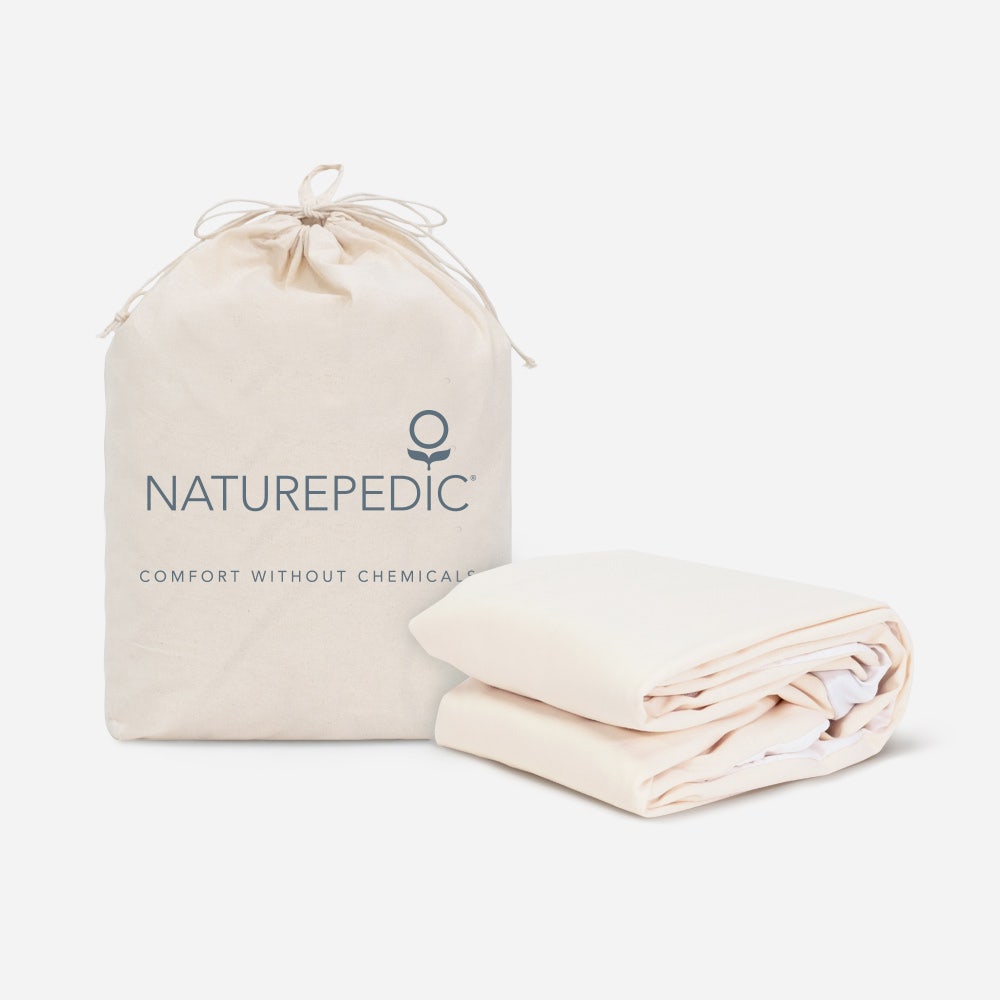
NATUREPEDIC & NATUREPEDIC BABY
NATUREPEDIC is the leading brand in the organic mattress, mattress protector, and bedding space. Their products are manufactured using GOTS certified organic cotton fibers. They are committed to delivering non-toxic, organic bedding that’s effective without compromising on comfort or safety. And their new NATUREPEDIC BABY line of products is specially designed for baby cribs and toddler beds, and the special needs of small, young children.

MY GREEN MATTRESS
The MY GREEN MATTRESS Organic Cotton Waterproof Mattress Protector is made from natural, organic materials. It protects your sleep environment from moisture, dust mites, and other allergens. The design includes two layers of soft jersey, GOTS-certified, organic cotton with a moisture barrier that is waterproof, breathable, comfortable, and quiet. It features a fitted style with an organic cotton skirt and an elastic perimeter.

List of Non-Toxic Materials
To ensure the safety of your family, including your pets, look for a waterproof mattress protector made from natural water repellents, without any harmful chemicals. Fabrics like organic cotton, wool, latex (with cautions for people who are allergic), Tencel, and TPUs are all excellent options. They are 100% waterproof as well as breathable and cooling, so you won’t wake up hot and sweaty.
GOTS Certified
GOTS or Global Organic Textile Standard ensures that the product’s textiles meet stringent environmental and social criteria, including the absence of harmful chemicals through the entire production process. A GOTS certified waterproof mattress protector for bedwetting offers peace of mind, guaranteeing that you and your children sleep on a surface that’s free from dangerous substances.

Oeko-Tex Certified & GreenGuard Gold
While organic certifications are crucial, they don’t cover every aspect of a product’s impact on health and the environment. That’s where complementary certifications like Oeko-Tex and Greenguard come in. These certifications focus on the presence of harmful chemicals and the emission of volatile organic compounds (VOCs), respectively.


Wool
Wool is a natural and highly absorbent material that can provide excellent waterproofing capabilities. Its fibers naturally wick away moisture, keeping your child dry and comfortable throughout the night. Wool is also breathable, which helps to regulate temperature and prevent overheating. Additionally, wool is naturally resistant to mold, dust mites, and bacteria, making it an excellent choice for a child’s sleeping environment.
Natural Latex & Synthetic Latex
Latex can be either natural or synthetic. Both options are safe. However, some people are allergic to natural latex and should avoid any exposure. Latex is inherently resistant to moisture and provides a durable, yet comfortable, protective layer. Natural latex is also anti-microbial and hypoallergenic, making it suitable for people with asthma or sensitive skin that’s not related to a latex allergy. When choosing a synthetic latex check the labels to make sure there are not harmful chemicals used in the manufacturing process.

Tencel
Tencel, a fiber derived from wood pulp, is known for its smooth, breathable, and absorbent properties. It’s an eco-friendly material that offers natural moisture management, making it an excellent choice for a waterproof mattress protector. Tencel is also soft to the touch, ensuring your child’s comfort as well as protection against spills and stains.
TPU (Thermoplastic Polyurethane)
TPU is a type of plastic, which sounds like it should be on the avoidance list. However, TPU is an excellent waterproof barrier that does not contain any PFAs or other harmful chemicals. It’s a safer choice for anyone what wants to avoid toxic chemicals. TPU barriers are often used in combination with other safe fabrics to provide a breathable yet impervious layer that keeps the mattress dry and extends its lifespan.
Frequently Asked Questions (FAQ)
1. Do all waterproof mattress protectors contain PFAs and forever chemicals?
No, not all waterproof mattress protectors contain PFAs and forever chemicals. There are several safe materials and treatments that can provide effective waterproofing without the use of these harmful substances. Look for products with certifications like GOTS, or those made from natural materials such as wool, cotton, Tencel, or natural latex with a TPU barrier.
2. Can a mattress protector be waterproof and safe for my family?
Absolutely. It’s a common misconception that waterproofing necessitates the use of harsh chemicals. Advances in textile technology have led to innovative methods of creating water-resistant fabrics that are both effective and safe. When shopping for a mattress protector, it’s crucial to look beyond the label for waterproofing and delve into what materials are used and how they are processed. Certifications like GOTS can be a helpful guide in ensuring that the product you choose is free from harmful chemicals.
3. Are there natural alternatives that are waterproof and free from PFAs and forever chemicals?
Yes, there are several natural alternatives that provide excellent waterproof protection without the need for PFAs and other forever chemicals. These alternatives leverage the inherent properties of natural materials or use safe treatments to create a barrier against moisture. For instance, some manufacturers use tightly woven organic cotton that naturally repels water. Others might treat natural fabrics with safe, non-toxic waterproofing agents. It’s important to do your research and select products from reputable companies that are transparent about their materials and manufacturing processes.
4. What are the best waterproof mattress protectors that are made without PFAs and forever chemicals?
We recommend NATUREPEDIC, NATUREPEDIC BABY, and MY GREEN MATTRESS.
All 3 were awarded a Good Housekeeping 2024 Top Choice for best organic waterproof mattress protectors for bedwetting.