
Key Takeaways
- Waterproof mattress protectors are a popular solution for bedwetting.
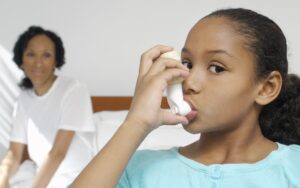
- Traditional protectors, manufactured with plastics, can pose potential health risks for kids with allergies or asthma.
- Old style materials like PVC plastics, vinyl, latex rubber, and formaldehyde may cause skin irritation, disrupt sleep, trigger allergic reactions, and foster bacteria and mold growth.
- Eco-friendly alternatives made from natural, organic, hypoallergenic materials are a safer alternative.
Bedwetting is Normal and Natural
Bedwetting, or nocturnal enuresis, is a normal development stage for all children. Most kids grow out of this phase by age 5 or 6, but sometimes it can continue for a few more years. And that’s perfectly normal!
Waterproof mattress protectors are your frontline defense against these nighttime oopsies. They’re designed to shield the mattress from moisture, which can lead to stains, odors, and even damage to the mattress itself. One of our favorites is NATUREPEDIC, Good Housekeeping’s 2024 Top Choice for Best Organic Waterproof Mattress Protector for Bedwetting.
Pitfalls of Old-Style Waterproof Mattress Protectors
The chemicals in most bedding produced today aren’t good for anyone’s health. Plus, children and pets are more vulnerable than adults to environmental toxins. Their bodies are smaller, and their organs are still developing, which means they can’t process toxins as effectively.
The Truth About Vinyl and PVC
Many waterproof mattress protectors are made with vinyl or PVC. These materials are effective at blocking moisture, but they come with a hidden cost. Vinyl and PVC can release volatile organic compounds (VOCs), which have been linked to respiratory problems and other health issues. And the phthalates used to soften PVC can disrupt hormones, which is particularly concerning for children whose bodies are still developing.

Skin Irritation, Overheating & Bacteria Growth
Vinyl and plastic mattress protectors don’t allow air to circulate, which leads to sweating, overheating, and sleep disruption. A sweaty, non-breathable bed is a recipe for skin irritation, skin rashes and general discomfort. Your child ends up tossing and turning all night instead of getting a good night’s rest. In addition, wet sheets can become a breeding ground for bacteria and mold, which could cause infections and trigger allergic reactions and asthma attacks.
Another issue with these plastics is VOCs (volatile organic compounds). These volatile chemical compounds release toxic gases, making the air in your bedroom dangerous to breathe.
Safe Organic, Eco-friendly Alternatives
7 Features of a Safe Waterproof Mattress Protector
- Material: Choose natural fibers like organic cotton and wool. They’re waterproof, soft, safe, and breathable.
- Waterproofing: Ensure the protector is waterproof but also breathable to prevent moisture buildup.
- Fit: A snug fitted style keeps the protector in place and prevents bunching, which can cause leaks.
- Hypoallergenic: To keep allergens at bay, choose a hypoallergenic option.
- Easy to Clean: Look for a protector that’s machine washable for hassle-free maintenance.
- Chemical-Free: Avoid protectors that contain PVC plastics, vinyl, or phthalates, which can release harmful VOCs.
- Durable: A good quality protector will withstand frequently washing.
Non-Toxic Fibers
The top layer of the waterproof mattress protector should be soft and comfortable for your skin.
Choose organic cotton, organic wool, bamboo, or Tencel. These are all natural fibers that are soft, breathable, waterproof, absorbent, and free from toxic chemicals. Check for organic certifications on the label to ensure they are grown without pesticides and manufactured without harmful chemicals.

Bamboo and Tencel are hypoallergenic, antimicrobial, and absorbent. While these materials are certainly effective, they are not our favorites. These materials start out as wood fibers and the process of converting wood into a soft fabric is hard on the environment.
Advanced Waterproof Materials
The second layer of a waterproof mattress protector is made from waterproof materials. Advanced mattress protectors use safe, non-toxic methods to keep moisture out. They are just as effective at blocking liquids without the toxic chemicals. They are also very thin compared to old-style plastics and vinyl, so they do their job without making crinkly noises every time you move your position in bed. These materials use tightly woven fibers or a thin layer of natural latex, synthetic latex or polyethene (PE) to stop liquids from sinking into the mattress. The names may not sound natural, but these are all safe alternatives according to government safety guidelines.
Two Tools to Help Manage Bedwetting
1. Hypoallergenic Waterproof Mattress Protectors
One of our favorite organic protectors is NATUREPEDIC. They just won the Good Housekeeping Top Choice 2024 Award for Best Organic Waterproof Mattress Protector for Bedwetting. It’s 100% waterproof. The organic cotton fibers make it hypoallergenic, breathable and cooling. It’s a top choice for children with sensitive skin or anyone with allergies or asthma.
The NATUREPEDIC organic waterproof mattress protector has earned an incredible 4.9-star rating from more than 930 verified customers.


2. Wireless Bedwetting Alarms
Bedwetting alarms are a game-changer for many families. They detect moisture and sound an alarm, helping kids wake up and get to the bathroom in time. Over time your child will learn to recognize the signs of a full bladder during the night. There’s nothing like the proud look on their face when they wake up with dry sheets. These devices involve them in the management of their condition, so they feel like they took control of the solution. It’s an amazing early learning experience that boosts their self-esteem.
The top three most highly rated bedwetting alarms on Amazon are:


Frequently Asked Questions (FAQ)
1. How often should waterproof mattress protectors be washed?
Regular washing keeps the protector clean and ensures it continues to perform at its best. Wash your mattress protector every 1-2 weeks under normal circumstances. If there’s an accident or spill, wash it immediately to prevent any lingering odors or stains. Follow the care instructions on the label to ensure you don’t damage the waterproofing.
2. Can waterproof mattress protectors cause skin irritation?
Mattress protectors made from toxic materials like vinyl or PVC plastics can trap heat and sweat against the skin, leading to skin irritation and skin rashes. Choose a mattress protector constructed from breathable, natural materials and wash the protector regularly with a gentle detergent. This method will help keep your child’s skin happy and irritation-free.
References
- American Academy of Pediatrics. (2019). Bedwetting (Enuresis). HealthyChildren.org. https://www.healthychildren.org/English/health-issues/conditions/genitourinary-tract/Pages/Bedwetting.aspx
- Center for Environmental Health. (2017). Hazardous Chemicals in Plastics. https://www.ceh.org/our-work/consumer-products/plastics/
- Health Canada. (2010). Phthalates Regulations. https://www.canada.ca/en/health-canada/services/chemical-substances/factsheets/phthalates.html
- Agency for Toxic Substances and Disease Registry (ATSDR). (2021). Toxicological Profile for Phthalates. https://www.atsdr.cdc.gov/toxprofiles/tp.asp?id=221&tid=39
- American Lung Association. (2020). Volatile Organic Compounds (VOCs). https://www.lung.org/clean-air/at-home/indoor-air-pollutants/volatile-organic-compounds
- Good Housekeeping. (2024). Best Organic Waterproof Mattress Protector for Bedwetting. https://www.goodhousekeeping.com/home-products/best-waterproof-mattress-protectors
- Amazon Reviews. (2024). Naturepedic Organic Waterproof Mattress Protector. https://www.amazon.com/Naturepedic-Organic-Waterproof-Mattress-Protector/product-reviews/B001A6TYDG
- Amazon Reviews. (2024). Top Rated Bedwetting Alarms. https://www.amazon.com/bedwetting-alarms/s?k=bedwetting+alarms
- Sleep Foundation. Waterproof Mattress Protectors: Benefits and Features. https://www.sleepfoundation.org/mattress-accessories/waterproof-mattress-protectors
- Amerisleep. The Benefits of Waterproof Mattress Protectors. https://amerisleep.com/blog/waterproof-mattress-protectors-benefits
- National Center for Biotechnology Information (NCBI). Health Risks of PVC: A Reality Check. https://www.ncbi.nlm.nih.gov/pmc/articles/PMC2873229/
- Environmental Protection Agency (EPA). Volatile Organic Compounds and Health. https://www.epa.gov/indoor-air-quality-iaq/volatile-organic-compounds-impact-indoor-air-quality
- EcoWatch. Why Vinyl Is Dangerous to Your Health. https://www.ecowatch.com/vinyl-dangerous-health-2566983792.html
- Safe Sleep Systems. Choosing Safe and Non-Toxic Waterproof Mattress Protectors. https://safesleepsystems.com/non-toxic-waterproof-mattress-protectors/
- Naturepedic. Organic Mattress Protectors: Benefits and Recommendations. https://www.naturepedic.com/blog/organic-mattress-protectors
- Mayo Clinic. Bedwetting: Causes and Treatments. https://www.mayoclinic.org/diseases-conditions/bed-wetting/symptoms-causes/syc-20354095
- American Family Physician. Nocturnal Enuresis in Children. https://www.aafp.org/afp/2006/1215/p1785.html
- Healthy Child Healthy World. Dangers of Non-Breathable Mattress Protectors. https://healthychild.org/dangers-non-breathable-mattress-protectors/
- WebMD. Hypoallergenic Bedding: What to Look For. https://www.webmd.com/allergies/hypoallergenic-bedding-what-to-look-for
- Consumer Reports. Advanced Waterproof Materials for Mattresses. https://www.consumerreports.org/cro/mattresses.htm
- Good Housekeeping. Naturepedic Mattress Protector Review. https://www.goodhousekeeping.com/naturepedic-mattress-protector-review
- Cleveland Clinic. Bedwetting Alarms: How They Work and Why They Help. https://my.clevelandclinic.org/health/articles/9192-bedwetting-alarms