

Key Takeaways:
- Chemical flame retardants were designed to protect our children by fireproofing their pajamas and mattresses, but these chemicals are known to cause serious health issues.
- Organic cotton and wool are natural flame retardants, without any harmful side effects.
- Unfortunately, conventional cotton fabrics often contain toxic chemicals even when they aren’t treated with flame retardants.
- Check product labels to make sure no toxic chemicals were added to safe materials during the manufacturing process.
History of Flame Retardants
In 1953 the US enacted the Flammable Fabrics Act, which required flame retardants to be added to a wide variety of household products including carpets, rugs, children’s sleepwear, mattresses, and mattress pads. Over the next few decades, numerous research studies showed that many of these chemicals were hazardous to our health and could even be carcinogenic.
Today, we’ll explore safer alternatives like organic cotton and wool, that are highly effective at protecting children without harming their health.
How Chemical Fire Retardants Harm Your Kids
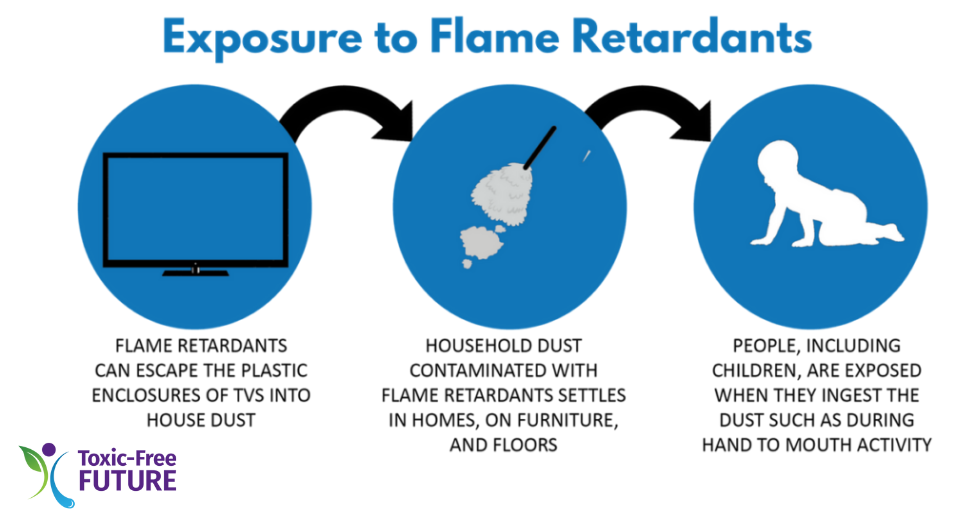
Flame retardants are pervasive in modern households. They are present in a multitude of products ranging from furniture to cribs to baby clothes. These chemicals are released into the air in our homes via a process called “off gassing”, and they are released into our sheets and clothes when chemically treated products are washed with clothes and bedding.
Research has shown that exposure to flame retardants can lead to a host of health issues, including:
- Neuro-developmental Disorders: Studies suggest a link between flame retardant exposure and abnormal brain development, lower IQ, and learning disabilities in children.
- Hormonal Disruptions: Chemical flame retardants interfere with thyroid and sex hormones, potentially leading to reproductive issues and early puberty.
- Respiratory Problems: Inhalation of flame-retardant particles can exacerbate respiratory conditions and trigger allergic reactions.
- Cancer Risk: Some flame retardants have been classified as carcinogens, increasing the likelihood of developing cancer with prolonged exposure.
Given these serious health implications, minimizing exposure to flame retardants is crucial, particularly for vulnerable populations such as infants, young children, and even pets due to their small size.
Safer Alternatives: Organic Cotton & Wool Are Natural Fire Retardants
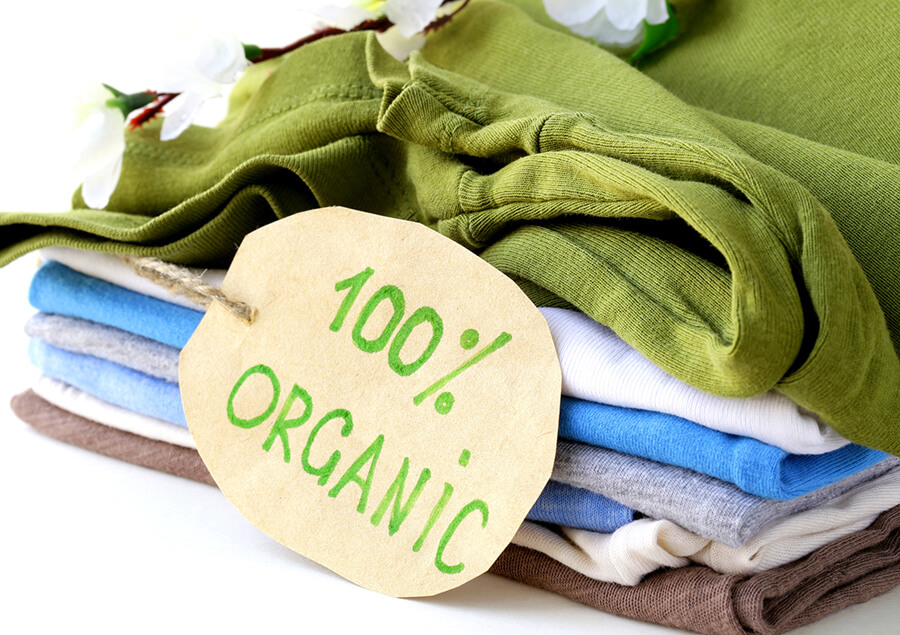
Fortunately, there are alternatives to chemical flame retardants that are both safe and effective.
Cotton and wool fabrics are at the top of the list. Both fibers are known for their inherent flame-resistant properties. Unlike synthetic materials treated with chemicals, cotton and wool act as a natural barrier to fire, providing peace of mind without compromising your child’s safety.
We recommend organic cotton and wool, because organic fabrics don’t contain flame retardants or any other harmful chemicals.
How to Identify & Eliminate Flame Retardants in Your Home
Here are our top five steps for identifying and eliminating fire retardants and other toxic chemicals in your home.
1. Conduct a thorough assessment: Begin by examining commonly used items such as furniture, mattresses, and children’s products for flame retardant labels or tags. Look for certifications like GOTS and GREENGUARD GOLD that indicate a product is free from harmful chemicals.
2. Focus on high-risk areas: Pay special attention to items that come into direct contact with your child, such as crib mattresses, car seats, and bedding. These are areas where exposure to flame retardants is most concerning.
3. Choose certified organic products: When purchasing new items, opt for certified organic mattresses, bedding, and furniture whenever possible. These products undergo rigorous testing to ensure they meet stringent safety standards, giving you peace of mind.
4. Prioritize ventilation: To reduce off-gassing from existing furniture or textiles, ensure proper ventilation by opening windows and using air purifiers equipped with HEPA filters. Regularly vacuuming and dusting can also help minimize exposure to flame retardant particles.
5. Stay informed and advocate for change: Stay updated on legislative developments related to flame retardants and advocate for stricter regulations to protect consumer health. By raising awareness and demanding safer alternatives, we can collectively work towards a future free from harmful chemicals.
Baby Essentials: Which to Choose & Which to Avoid
Here’s our updated list for 2024 of common baby products known to contain flame retardants with our recommendation for a safer option.
Diaper Changing Pads: Brands such as Boppy and Summer Infant often incorporate flame retardants into their diaper changing pads. When choosing a changing pad, be sure to inspect the manufacturers label for fire retardant chemicals and choose a non-toxic alternative. One of our favorites is the Naturepedic Organic Cotton Changing Pad. It’s waterproof and free from any toxic chemicals.
Strollers and Highchairs: Many popular brands, including Graco and Chicco, may use flame retardant chemicals in their strollers and highchairs. Consider safer options from brands like UPPAbaby and Stokke, which offer high-quality strollers and highchairs without compromising on safety standards.
Infant Sleepers: When selecting sleepwear for your little one, be mindful of flame-retardant additives present in many brands. Look for snug-fitting pajamas labeled as flame-resistant or made from natural materials like cotton. Brands such as Carters and Gerber commonly offer flame-resistant sleepwear for infants. Alternatively, consider organic cotton options from brands like Burt’s Bees Baby or Hanna Andersson for a safer and more comfortable sleep environment for your baby.
Waterproof Mattress Protectors: Protecting your baby’s mattress from spills and accidents is essential, but many waterproof mattress protectors contain flame retardants. Brands like Sealy and Safety 1st often use these chemicals in their products. One of our favorite non-toxic alternatives is the Naturepedic Organic Waterproof Mattress Protector. It’s made from organic cotton and plant-based waterproofing materials, so you get reliable waterproofing without compromising on safety or comfort.
By taking proactive measures to eliminate flame retardants from our homes and advocating for safer alternatives, we can create a healthier environment for our children to thrive in.
Sources
- Stapleton, H.M. et al. (2012). Identification of Flame Retardants in Polyurethane Foam Collected from Baby Products. Environmental Science & Technology, 46(8), 336-344.
- Ercan, R., & Ucar, N. (2017). Flame Retardancy of Wool. Textile Research Journal, 87(1), 128-145.
- Agency for Toxic Substances and Disease Registry (ATSDR). (2017). Toxicological Profile for Cotton Dust. U.S. Department of Health and Human Services.
- Consumer Product Safety Commission. (2018). Facts About Flame Retardants. U.S. Consumer Product Safety Commission.
- International Oeko-Tex Association. (2020). Oeko-Tex Standard 100 Certification Criteria. Oeko-Tex.
- Consumer Product Safety Commission. (2020). The Flammable Fabrics Act. U.S. Consumer Product Safety Commission.
- Stapleton, H.M., Allen, J.G., & Kannan, K. (2011). Are PBDEs an environmental equity concern? Exposure disparities by socioeconomic status. Environmental Science & Technology, 45(6), 2377-2384.
- Linares, V., Belles, M., & Domingo, J.L. (2011). Human exposure to PBDE and critical evaluation of health hazards. Archives of Toxicology, 85(11), 957-971.
- National Cotton Council of America. (2019). Cotton’s Natural Flame Resistance. National Cotton Council.
- Global Organic Textile Standard (GOTS). (2020). Global Organic Textile Standard. Global Organic Textile Standard International Working Group.
- GREENGUARD Certification Program. (2020). GREENGUARD Certification Program. UL Environment.
- Allen, J.G., et al. (2013). Flame retardants in dust near childcare facilities in the city of Boston. Environmental Science & Technology, 47(18), 10813-10820.
- Agency for Toxic Substances and Disease Registry (ATSDR). (2017). Toxicological Profile for Polybrominated Diphenyl Ethers (PBDEs). U.S. Department of Health and Human Services.
- Dodson, R.E., et al. (2012). Hormone Disruptors and Asthma: Evidence Review. Environmental Health Perspectives, 120(7), 935-944.

Leave a Reply