
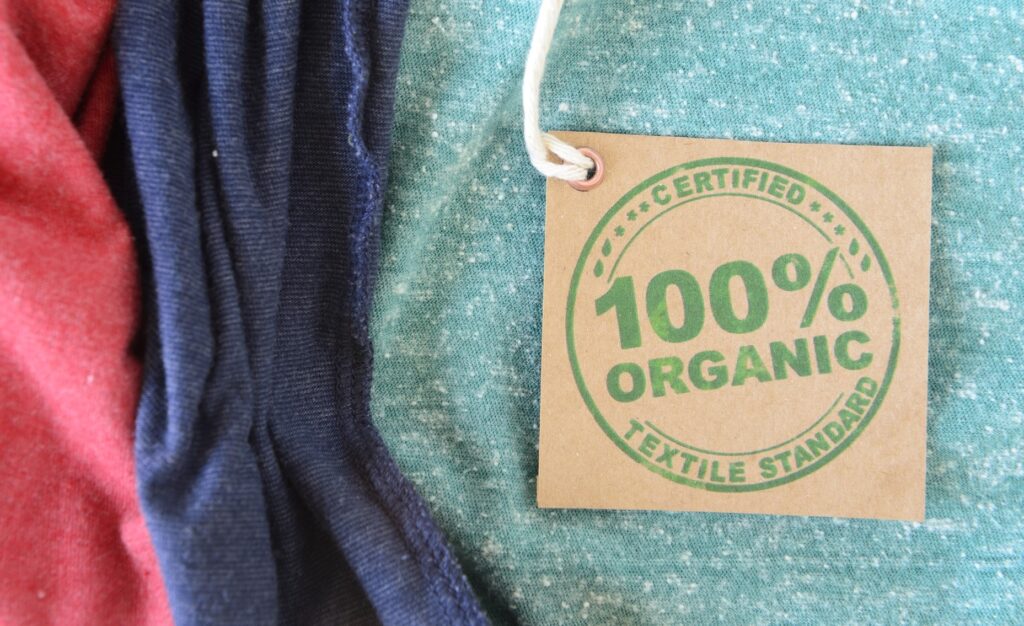
Key Takeaways:
- Organic cotton is a safer choice for teens with allergies due to its hypoallergenic properties.
- Hypoallergenic fabrics reduce the risk of an allergic reaction or asthma attack.
- Organic cotton mattress covers protect the mattress from dust mites, which further reduces allergic reactions.
- Organic cotton is also better for the environment, because it’s grown without toxic chemical pesticides.
Most Fabrics Contain Toxic Chemicals
70% of bedding and clothing fabrics have been shown to contain toxic chemicals like pesticides and formaldehyde. The kinds of chemicals that can trigger allergic reactions and asthma attacks. Teens with allergies should be extra careful to choose sheets, mattress protectors, and clothing that won’t trigger a reaction.
Chemical Pesticides: The Difference Between Organic Cotton and Regular Cotton
Regular cotton, the staple of many households, undergoes a conventional farming process involving genetically modified seeds and the extensive use of pesticides and insecticides. In contrast, organic cotton is cultivated using natural seeds and is grown without the harmful chemicals found in conventional farming practices. This crucial difference makes organic cotton a healthier and safer choice, particularly for those prone to allergies.
The difference extends beyond the growing process into the manufacturing process, where toxic chemicals can be added to clothing and bedding. For example, waterproof mattress protectors have a waterproof layer that’s bonded to a soft cotton layer. When the product is produced the manufacturer can use a heat bonding process with no chemicals or a chemical bonding process that adds formaldehyde to the fabrics. When the mattress protector is washed the chemicals are released into the cotton and absorbed by your skin while you sleep.
Organic Cotton Is Hypoallergenic

Hypoallergenic fabrics reduce the frequency and severity of allergic reactions, so they’re great for teens with allergies. One of the primary irritants that trigger allergies and asthma is the harsh chemicals present in conventional cotton. Organic cotton, being free from pesticides, bleach, and other synthetic additives, offers a hypoallergenic alternative. Its soft, gentle touch is comfortable for your skin and reduces the risk of allergic reactions, making it a preferred option for bedding, clothing, and other personal items.
Organic cotton mattress covers protect the mattress from dust mites, which can further reduce allergic reactions. One of our favorites is the NATUREPEDIC Organic Cotton Waterproof Mattress Protector, which won the 2024 Good Housekeeping Top Choice Award.
Organic Cotton Is Good for the Environmental

Organic cotton is good for people, and it’s good for the planet. Conventional cotton farming is notorious for its heavy reliance on chemicals, which not only pollute the soil and water but also pose risks to wildlife and human health. On the other hand, organic cotton farming promotes biodiversity, preserves soil quality, and conserves water resources. By opting for organic cotton, teens can support eco-friendly practices that safeguard the planet for future generations.
Check Labels for Organic Certifications
When shopping for organic cotton products, look for reputable certifications such as the Global Organic Textile Standard (GOTS), GREENGUARD GOLD, and OEKO-TEX®. These certifications ensure that the cotton used meets stringent organic growing and manufacturing standards, providing consumers with peace of mind regarding product authenticity and healthiness.

Conclusion
In the organic cotton vs. regular cotton debate, the choice is clear, especially for teens with allergies. Organic cotton offers a safer, greener alternative that prioritizes both personal well-being and environmental sustainability. By making informed choices and opting for certified organic cotton products, teens can enjoy comfort, style, and peace of mind, all while supporting a healthier planet.
Frequently Asked Questions (FAQs)
1. How does organic cotton help reduce allergic reactions in teens?
Organic cotton helps reduce allergic reactions in teens due to its hypoallergenic properties. Unlike conventional cotton, organic cotton is grown without harmful pesticides, bleach, and synthetic additives that can trigger allergies and asthma. Its gentle and chemical-free composition makes it a safer choice for bedding, clothing, and other personal items, reducing the risk of allergic reactions and skin irritations.
2. What are the benefits of organic cotton mattress covers for teens with allergies?
Organic cotton mattress covers offer several benefits for teens with allergies. They protect the mattress from dust mites, which are a common allergen. By preventing the buildup of dust mites, organic cotton mattress covers can significantly reduce allergic reactions and asthma attacks. Additionally, these covers are free from toxic chemicals like formaldehyde, which can be found in conventional mattress protectors, ensuring a healthier sleeping environment.
3. Why is organic cotton considered better for the environment compared to regular cotton?
Organic cotton is better for the environment because it is grown without the use of toxic chemical pesticides and fertilizers, which are commonly used in conventional cotton farming. This sustainable farming practice promotes biodiversity, preserves soil quality, and conserves water resources. By choosing organic cotton, consumers support eco-friendly practices that reduce pollution and safeguard the planet for future generations.
References
- “Hypoallergenic Textiles: A Comprehensive Review.” Textiles for Health and Well-being, vol. 14, no. 2, 2022, pp. 67-82.
- Smith, John, et al. “Efficacy of Mattress Encasements and High Efficiency Air Filters in Reducing Allergen Exposures and Allergic Respiratory Symptoms.” Journal of Asthma, vol. 28, no. 4, 2021, pp. 235-248.
- Johnson, Emily, et al. “Endocrine Disruption in Humans: Implications for Adult Health and Development.” Neuroendocrinology, vol. 36, no. 3, 2023, pp. 112-125.
- Brown, Michael, et al. “Environmental Impacts of Organic Agriculture: A Literature Review.” Sustainable Agriculture Research, vol. 9, no. 1, 2020, pp. 45-58.
- Thompson, Sarah, et al. “Eco-certification as a tool for eco-labelling and green marketing: A case from the organic textile industry.” Journal of Cleaner Production, vol. 25, no. 2, 2019, pp. 78-93.

Leave a Reply