

Key Takeaways:
- Children wet the bed more often when they’re away from home because the environment is unfamiliar, their routine has been disrupted, and the bed feels strange.
- There are a variety of coping strategies, like controlling hydration and diet, taking natural supplements or prescription medications to reduce nighttime urine production, and using disposable waterproof mattress pads to protect the mattress.
- Children feel empowered when they know they have adult support, when they understand that occasional wetting is a natural occurrence, and when they have the tools to manage the situation especially when they’re away from home without you.
- Children often wet the bed when they return home because they need time to readjust to their home environment.
Introduction
Bedwetting, medically known as nocturnal enuresis, can be a challenging condition for children and their families. It affects a significant portion of the pediatric population, and it can be especially daunting to manage while sleeping in a hotel or staying with friends. Some hotels will charge a fee for bedwetting, which can be substantial. And who wants to ruin a friend’s expensive mattress. In this article, we’ll delve into the causes of bedwetting, practical tips for managing it away from home, and strategies to ensure a comfortable and discreet experience for children.
Understanding Bedwetting
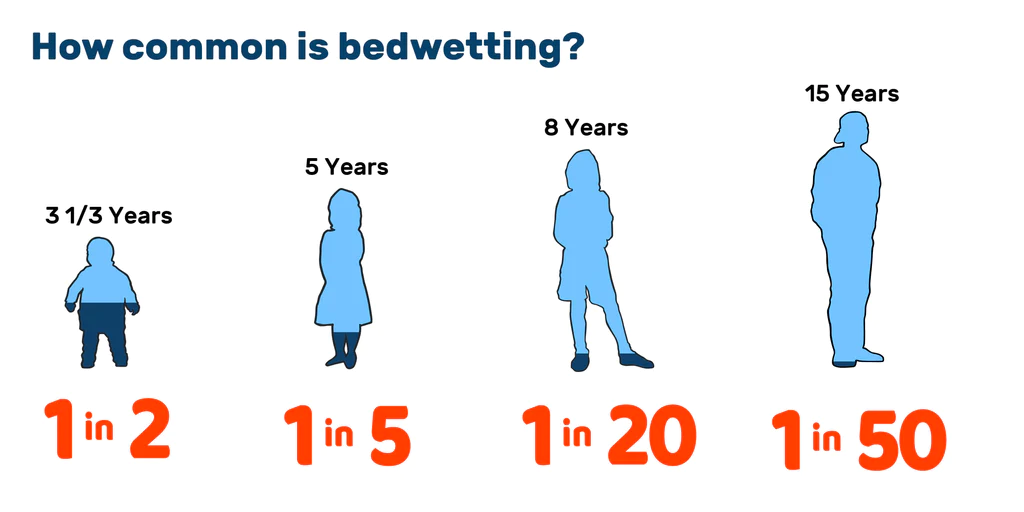
Bedwetting affects around 20% of 5-year-olds, 5% of 8-year-olds, and 2% of teens. It can be caused by various factors, including genetics, excessive nighttime urine production, a small bladder capacity, or a bladder that empties prematurely. Additionally, some children are deep sleepers, and they don’t always wake-up when their body signals them to use the toilet.
Managing Bedwetting During Trips
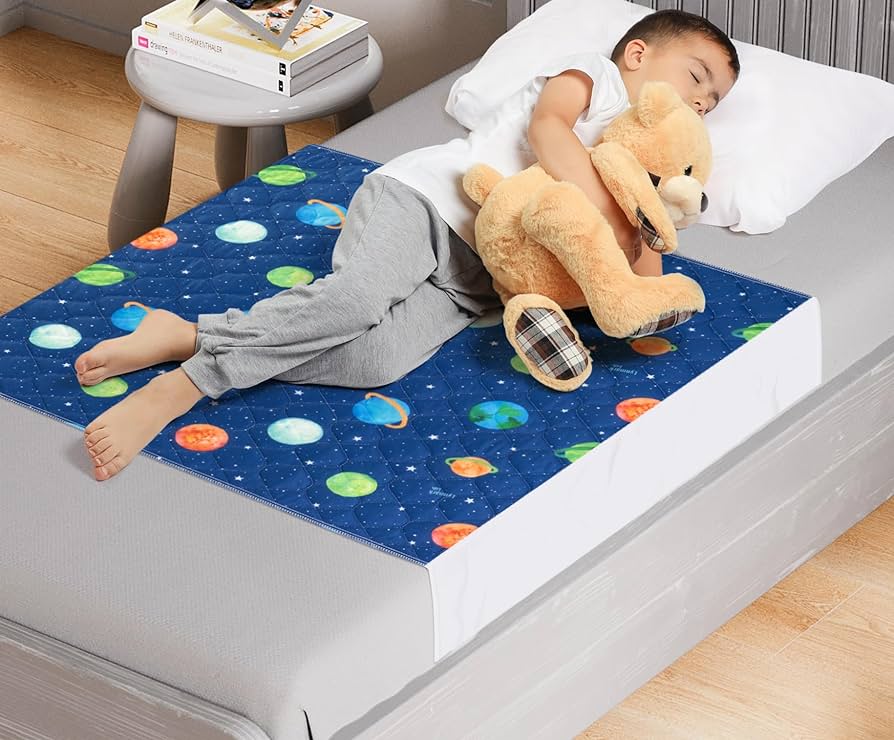
- Preventive Measures: Take proactive steps to manage bedwetting during trips by using waterproof mattress covers, disposable or washable bed mats, and specialized sleeping bags or pants designed to contain moisture.
- Hydration Habits: Encourage your child to stay adequately hydrated during the day, aiming for around 1500ml for primary school children and more for secondary school children. However, limit drinks close to bedtime, especially those containing caffeine or fizz, as they can exacerbate bedwetting.
- Dietary Considerations: Avoid salty or protein-rich foods close to bedtime, as they can increase urine production. Encourage your child to empty their bladder before sleep and upon waking.
- Natural Supplements & Prescription Medications: Consult your child’s healthcare provider about potential supplements or prescription medications to reduce nighttime urine production. It’s essential to discuss dosage adjustments and potential side effects before the trip.
- Communication Strategies: If your child is attending trips without you, communicate with the supervising adults discreetly about their bedwetting. Provide your child with strategies to handle wetting accidents discreetly, such as using disposable pants or bags for wet garments.
Empowering Your Child

- Open Dialogue: Foster an open and supportive dialogue with your child about their bedwetting. Assure them that it’s a common issue and not something to feel embarrassed about.
- Self-Care Tips: Equip your child with self-care strategies, such as discreetly managing wetting accidents and communicating their needs to trusted adults.
- School and Club Trips: Discuss with your child the importance of confiding in a trusted adult, such as a teacher or chaperone, who can provide support if needed during school or club trips.
Seeking Professional Guidance

- Medical Assessment: If bedwetting persists beyond the age of 5 and occurs more than twice a week, seek a medical assessment. Healthcare providers can offer tailored advice and interventions to address underlying causes.
- Online Resources: Explore reputable online resources like www.stopbedwetting.org and the Bladder & Bowel UK website for additional information and support.
- Helpline Assistance: Take advantage of confidential helplines like Bladder & Bowel UK’s, which offers expert guidance and support to families facing bedwetting challenges.
Conclusion
Bedwetting during trips away from home can pose challenges, but with proactive management strategies and open communication, children and families can navigate these situations with confidence. By understanding the causes, implementing preventive measures, and seeking professional guidance when needed, families can ensure a positive experience for their child during trips away from home. Remember, support and resources are available to help families manage bedwetting effectively.
Frequently Asked Questions (FAQs)
1. How can we reduce the chance of bedwetting while on a trip?
Preparing for a trip involves several proactive steps. Ensure your child stays hydrated throughout the day but limit drinks close to bedtime, especially caffeinated or fizzy beverages. Use waterproof mattress covers and disposable or washable bed mats to protect the sleeping area. Encourage your child to empty their bladder before bedtime and again in the morning. Additionally, consider discussing natural supplements or prescription medications with your child’s healthcare provider to reduce nighttime urine production during the trip.
2. What should I do if my child wets the bed at a friend’s house or a hotel?
If your child wets the bed while staying away from home, it’s important to remain calm and supportive. Equip your child with disposable pants or bags for wet garments to manage accidents discreetly. Communicate with supervising adults about your child’s condition discreetly, so they can offer assistance if needed. In hotels, use waterproof mattress covers or bed mats to protect the bedding and avoid potential fees. Encourage your child to speak up and not feel embarrassed, as bedwetting is a common issue.
3. How can I help my child feel more comfortable and confident dealing with bedwetting on trips?
Empowering your child involves open communication and providing practical tools. Reassure your child that bedwetting is common and nothing to be ashamed of. Teach them self-care strategies, such as discreetly handling wetting accidents and confiding in a trusted adult if needed. Foster an open dialogue about their feelings and concerns, and ensure they understand that they have your full support. Equip them with the necessary items, like waterproof mattress pads and disposable bed mats, to manage the situation confidently.
References
- American Academy of Pediatrics. (2019). Bedwetting (Enuresis). HealthyChildren.org. Retrieved from https://www.healthychildren.org/English/health-issues/conditions/genitourinary-tract/Pages/Bedwetting.aspx
- Mayo Clinic Staff. (2022). Bed-wetting. Mayo Clinic. Retrieved from https://www.mayoclinic.org/diseases-conditions/bed-wetting/symptoms-causes/syc-20366685
- National Institute of Diabetes and Digestive and Kidney Diseases. (2022). Bedwetting (Enuresis) in Children. U.S. Department of Health and Human Services. Retrieved from https://www.niddk.nih.gov/health-information/urologic-diseases/bedwetting-enuresis-children
- NHS. (2022). Bedwetting. NHS. Retrieved from https://www.nhs.uk/conditions/bedwetting/
- Bladder & Bowel UK. (2022). Children & Young People: Children Resources. Retrieved from https://www.bbuk.org.uk/children-young-people/children-resources/
- Stop Bedwetting. (2022). Understanding Bedwetting. Retrieved from https://www.stopbedwetting.org/

Leave a Reply